
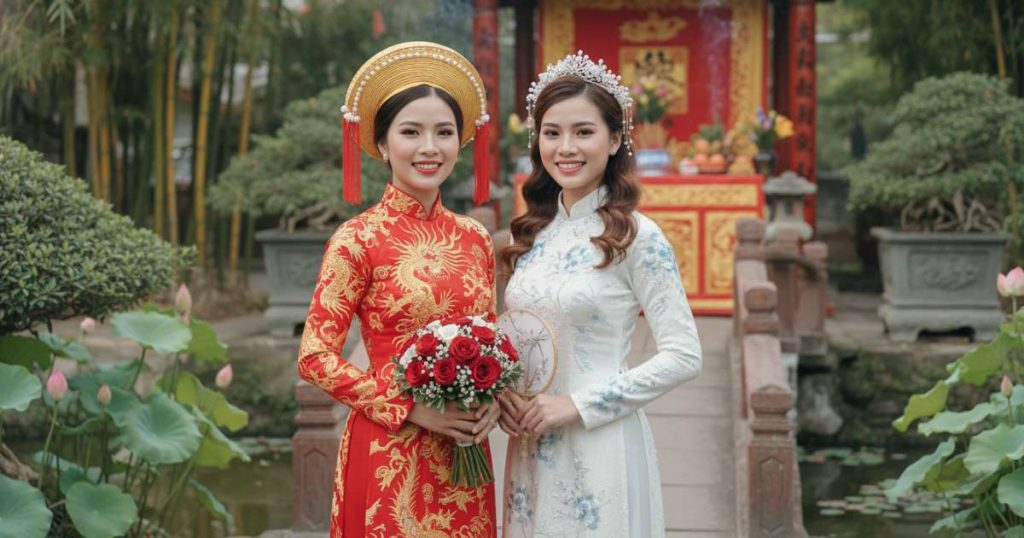
The cultural landscape of Southeast Asia is rich with diverse traditions, and among the most captivating are the customs surrounding Vietnamese wedding women. In Vietnamese society, a wedding is not merely a union between two individuals but a significant bond between two families and their ancestors. The role of the bride is central to these celebrations, embodying grace, respect, and the continuation of heritage. From the intricate details of her traditional attire to her participation in ancient rituals, the journey of Vietnamese wedding women reflects a harmonious blend of historical values and contemporary influences. Understanding these traditions provides a deeper appreciation for the elegance and resilience of women in Vietnamese culture.
Traditional Attire for Vietnamese Wedding Women
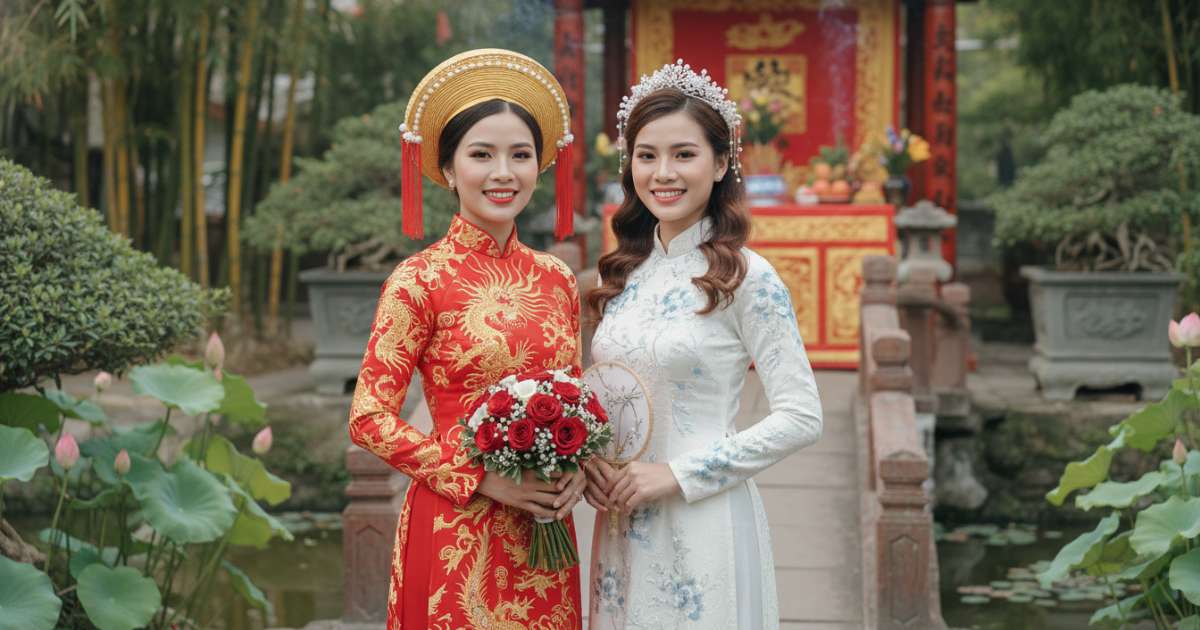
One of the most recognizable aspects of a wedding in Vietnam is the stunning clothing worn by the bride. For centuries, Vietnamese wedding women have chosen the Ao Dai as their primary ensemble. This traditional tunic, worn over long trousers, is designed to highlight the natural beauty and modesty of the wearer. While modern brides may change into Western-style white gowns for their reception, the Ao Dai remains the essential garment for the formal tea ceremony and ancestral rites. The choice of fabric, color, and embroidery on the Vietnamese wedding dress speaks volumes about the family’s status and the bride’s personal taste.
The Significance of the Red Ao Dai
In Vietnamese culture, colors carry deep symbolic meanings. Red is the most popular choice for Vietnamese wedding women because it represents luck, happiness, and prosperity. A red Ao Dai is often adorned with gold embroidery, featuring traditional motifs such as phoenixes, dragons, or floral patterns like lotuses and peonies. These symbols are believed to bring good fortune to the new couple. When Vietnamese wedding women wear red, they are not only making a fashion statement but also invoking blessings for a long and fruitful marriage. The vibrant hue stands out during the ceremony, marking the bride as the focal point of the celebration.
The Role of the Khan Dong Headpiece
To complete the traditional look, many Vietnamese wedding women wear a circular headpiece known as the Khan Dong. This accessory is made by wrapping fabric into a sturdy, crown-like shape. Historically, the size and complexity of the Khan Dong indicated the wealth of the bride’s family. Today, it serves as a beautiful tribute to the past. The headpiece adds height and a sense of regality to the bride’s appearance, ensuring that Vietnamese wedding women look majestic as they perform their ceremonial duties. It is usually matched to the color and fabric of the Ao Dai, creating a cohesive and polished aesthetic.
Sacred Rituals Involving Vietnamese Wedding Women
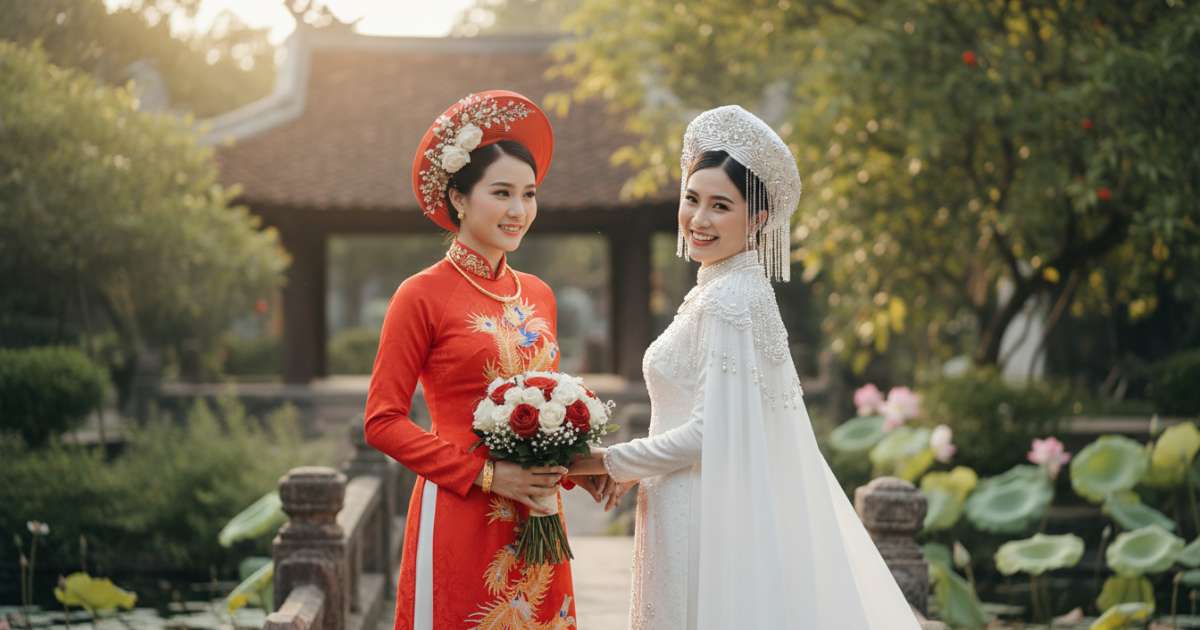
A traditional Vietnamese wedding consists of several stages, each with its own set of rules and expectations. The involvement of Vietnamese wedding women starts long before the actual wedding day, beginning with the engagement ceremony known as Le Dinh Hon. During this event, the groom’s family brings gifts to the bride’s house to formally ask for her hand in marriage. This is a crucial moment for Vietnamese wedding women, as it signifies the official acceptance of the groom into her family circle. The rituals are performed with great care to show respect to the elders and the spirits of the ancestors.
The Ancestral Tea Ceremony
The most important ritual for Vietnamese wedding women is the tea and candle ceremony. This takes place in front of the ancestral altar at the bride’s family home. The bride and groom serve tea or wine to their parents and elders, who in turn offer advice and blessings for the marriage. For Vietnamese wedding women, this ceremony is an emotional transition. It is the moment they formally say goodbye to their childhood home and prepare to join their husband’s family. The act of honoring the ancestors ensures that the couple has the support of their lineage as they start their new life together.
The Procession to the Grooms House
After the rituals at the bride’s home are complete, the wedding party moves to the groom’s house. This procession is a public display of the new union. Vietnamese wedding women are escorted by their families and the groom’s family in a long line of cars or on foot, depending on the location. Upon arriving at the groom’s home, the bride performs another set of rituals to introduce herself to her husband’s ancestors. This dual recognition of both family lines is a hallmark of how Vietnamese wedding women bridge the gap between two households, fostering unity and mutual respect.
The Evolution of Fashion for Vietnamese Wedding Women
As Vietnam becomes more integrated with the global community, the fashion choices of Vietnamese wedding women have evolved significantly. While the traditional Ao Dai remains a staple, many brides now opt for multiple outfit changes throughout their wedding day. This evolution reflects the dual identity of modern Vietnamese brides, who value their cultural roots while embracing international trends. The fusion of Eastern and Western styles has created a unique bridal aesthetic that is both timeless and trendy.
Incorporating Western Wedding Gowns
It is common for Vietnamese wedding women to wear a white Western-style wedding dress during the evening reception. These gowns often feature intricate lace, voluminous skirts, and long trains, contrasting with the sleek silhouette of the Ao Dai. The transition from the red traditional dress to the white gown symbolizes the bride’s versatility and modern outlook. For many Vietnamese wedding women, the white dress represents the romantic and celebratory aspect of the wedding, allowing them to enjoy a fairy-tale atmosphere during the banquet and dancing.
Modern Customizations of the Ao Dai
Even the traditional Ao Dai has undergone a transformation to suit the tastes of Vietnamese wedding women in the 21st century. Designers now use a variety of materials such as silk, chiffon, and organza to create lighter and more comfortable versions of the dress. Some Vietnamese wedding women choose pastel colors like blush pink, champagne, or soft blue instead of the traditional bright red. High-fashion elements like sheer sleeves, beaded necklines, and 3D floral appliqués are also incorporated, making the Vietnamese wedding attire a true work of art that reflects the bride’s individual personality.
Beauty and Grooming Standards for Vietnamese Wedding Women
Preparation for a wedding involves meticulous attention to beauty and grooming. For Vietnamese wedding women, the goal is to achieve a look that is radiant yet natural. Historically, beauty standards emphasized fair skin and long, black hair, which were seen as signs of health and virtue. In contemporary times, Vietnamese wedding women combine these traditional ideals with modern makeup techniques to enhance their features for the camera and the guests. The process of getting ready is often a social event, involving bridesmaids and close female relatives.
Hairstyles and Traditional Accessories
The hairstyle of Vietnamese wedding women must accommodate the Khan Dong if they choose to wear one. Often, the hair is pulled back into a sleek bun or styled in elegant waves that frame the face. When the headpiece is removed for the reception, many brides add sparkling hairpins or fresh flowers to their hair. These accessories complement the Vietnamese wedding women‘s overall look, adding a touch of glamour. The choice of hairstyle is important because it must remain secure through several hours of ceremonies and photographs.
Makeup Trends for the Modern Bride
Makeup for Vietnamese wedding women has shifted toward a more luminous and “glass skin” effect, influenced by broader Asian beauty trends. Brides often prefer a soft color palette, using peach or pink tones for the eyes and cheeks to create a youthful and fresh appearance. However, a bold red lip is still a favorite for many Vietnamese wedding women, especially when wearing the red Ao Dai, as it creates a striking and classic look. Professional makeup artists in Vietnam are highly skilled at balancing the need for long-lasting coverage with a natural finish that looks beautiful in person and on film.
Cultural Values Upheld by Vietnamese Wedding Women
Beyond the physical appearance and the ceremonies, Vietnamese wedding women are the carriers of important cultural values. The way a bride conducts herself during the wedding reflects her upbringing and her commitment to her new family. Values such as “Filial Piety” (Hieu) and “Harmony” (Hoa) are central to the identity of Vietnamese wedding women. These principles guide their interactions with their in-laws and their role as a wife and future mother. The wedding serves as a public vow to uphold these virtues throughout their married life.
Respect for Elders and Family Lineage
During the wedding, Vietnamese wedding women demonstrate their respect for elders through specific gestures, such as bowing and offering tea with both hands. This display of “Filial Piety” is highly regarded in Vietnamese society. It shows that the bride acknowledges the sacrifices her parents have made and that she intends to treat her new in-laws with the same level of care. For Vietnamese wedding women, building a strong relationship with the older generation is key to a stable and happy home. This respect for lineage ensures that family traditions are passed down to future generations.
The Transition to a New Household
The concept of “leaving the family” is a significant theme for Vietnamese wedding women. In traditional thought, once a woman marries, she becomes a member of her husband’s family. While this idea has become more flexible in modern times, the symbolic transition remains important. Vietnamese wedding women are expected to be the “internal managers” of the household, looking after the daily needs of the family and maintaining peace. This responsibility is seen as a position of strength and influence within the domestic sphere, highlighting the vital role Vietnamese wedding women play in the stability of the community.
Challenges and Choices for Modern Vietnamese Wedding Women
Modern life presents new challenges for Vietnamese wedding women as they navigate the expectations of tradition and the realities of contemporary society. Many women now have successful careers and independent lives before marriage, which influences how they approach their wedding. The decision-making process for Vietnamese wedding women today involves balancing their own desires with the wishes of two sets of parents. From choosing the venue to managing the guest list, the modern bride is often a project manager for one of the biggest events of her life.
Balancing Tradition and Modernity
One of the primary challenges for Vietnamese wedding women is deciding which traditions to keep and which to modernize. Some couples may choose to shorten the multi-day traditional process into a single day to accommodate busy work schedules. Others might opt for a destination wedding at a beach resort in Da Nang or Nha Trang instead of a traditional home-based ceremony. Despite these changes, most Vietnamese wedding women still find ways to incorporate essential elements like the Ao Dai or the ancestral altar rituals, ensuring that the essence of their culture remains intact regardless of the setting.
The Rise of Professional Wedding Planning
To manage the complexity of modern celebrations, many Vietnamese wedding women now rely on professional wedding planners and specialized bridal services. These services help brides find the perfect Vietnamese wedding dress, coordinate with vendors, and ensure that every detail of the ceremony is perfect. For Vietnamese wedding women living abroad, these professionals are especially helpful in maintaining cultural authenticity while navigating a different environment. The growth of the bridal industry in Vietnam has provided women with more choices than ever before, allowing them to create a wedding that is truly unique and personal.
In conclusion, the journey of Vietnamese wedding women is a beautiful narrative of cultural pride and personal transformation. Through their choice of attire, their participation in sacred rituals, and their commitment to family values, these women honor a rich heritage while moving confidently into the future. Whether they are wearing a traditional red Ao Dai or a modern white gown, Vietnamese wedding women remain the heart of the celebration, symbolizing the enduring strength and beauty of Vietnamese traditions. As society continues to change, the elegance and significance of the Vietnamese bride will undoubtedly continue to inspire and captivate people around the world.
CeesBridal provides an exceptional custom wedding dress design service tailored specifically for brides who dream of a one-of-a-kind gown that fits perfectly. Our team focuses on the intricate beauty of Vietnamese bridal fashion, ensuring that every stitch and detail reflects the elegance and personality of the woman wearing it. Whether you are looking for a traditional silhouette or a contemporary masterpiece, we work closely with you to bring your vision to life with professional craftsmanship.
We take pride in serving both local and international customers, offering a seamless experience from the initial consultation to the final fitting. At CeesBridal, we understand that your wedding day is a significant milestone, and we are dedicated to creating a dress that makes you feel confident and radiant. Discover the art of personalized bridal fashion with our expert designers and let us help you celebrate your heritage and style in the most beautiful way possible.
🌐 Website 1: https://ceesbridal.com/
🌐 Website 2: https://www.facebook.com/CeesBridal/
