
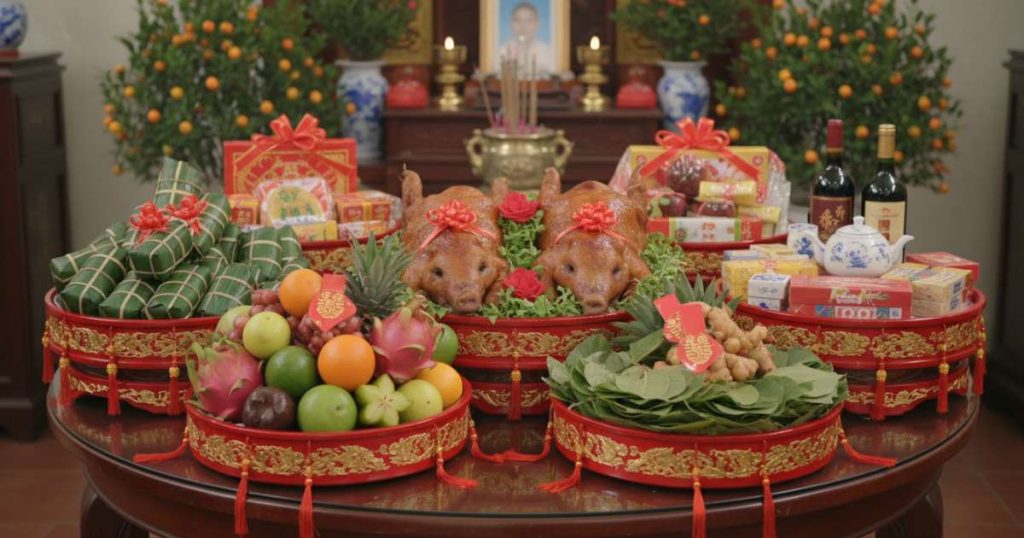
In the rich tapestry of Southeast Asian traditions, the Vietnamese wedding trays stand as one of the most vital elements of a matrimonial union. Known locally as Mam Qua, these trays are much more than mere containers for gifts. They represent the respect, sincerity, and commitment of the groom’s family toward the bride’s family. In a traditional Vietnamese wedding, the exchange of these trays marks the formal beginning of a lifelong journey between two individuals and the merging of two ancestral lines. The preparation of Vietnamese wedding trays involves careful selection of items, specific numerical arrangements, and deep symbolic meanings that have been passed down through generations. Understanding the intricacies of these betrothal gifts provides a profound insight into the values of Vietnamese society, emphasizing harmony, gratitude, and the importance of family heritage.
The Cultural Significance of Vietnamese Wedding Trays
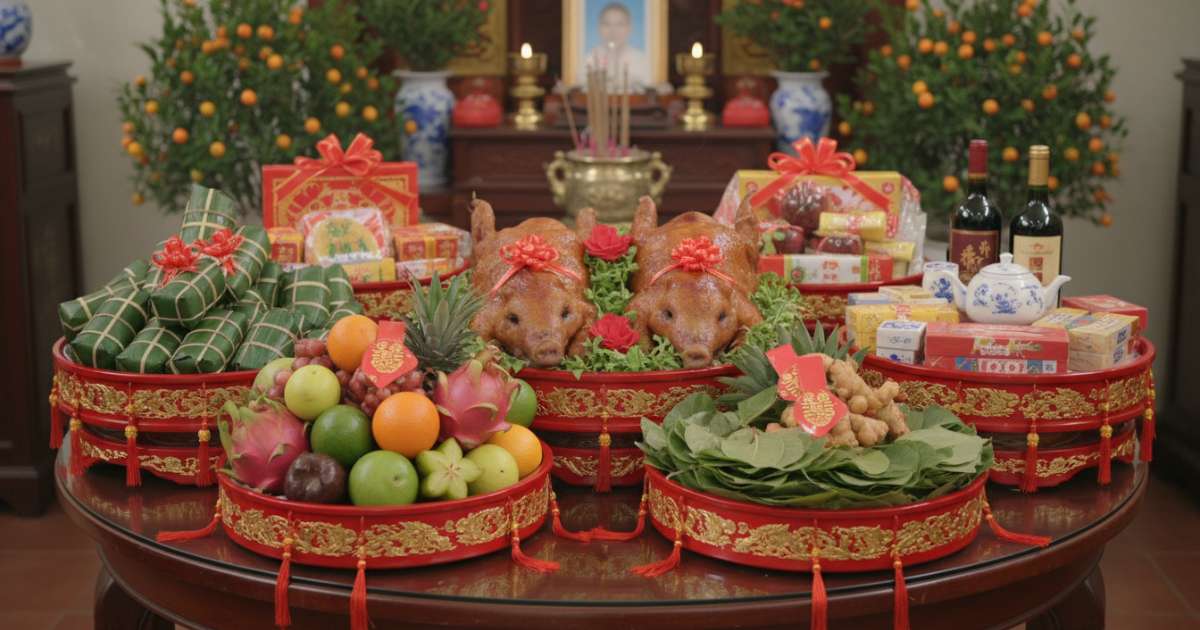
The Vietnamese wedding trays serve as a bridge between the past and the present, acting as a formal request from the groom’s family to the bride’s family for their daughter’s hand in marriage. This tradition is rooted in the Vietnamese engagement ceremony, also known as Le Dinh Hon or Le Hoi. During this ceremony, the groom’s family carries an odd or even number of red lacquer trays, depending on the region, to the bride’s home. Each tray is covered with a red silk cloth embroidered with the word for Double Happiness or auspicious symbols like the dragon and phoenix. The act of bringing these Vietnamese wedding trays is a gesture of “nap tai,” which translates to contributing wealth or resources to the bride’s family to help cover the wedding expenses and to show that the groom is capable of providing for his future wife.
Symbolism of the Red Color
In Vietnamese culture, the color red is synonymous with luck, prosperity, and happiness. This is why Vietnamese wedding trays are almost always red. The red lacquer boxes and the red silk covers are intended to ward off bad spirits and invite positive energy into the new marriage. By presenting gifts in this vibrant color, the groom’s family expresses their wishes for a bright and successful future for the couple. Furthermore, the red color symbolizes the fire of love and the warmth of a household, making it the most appropriate choice for a traditional Vietnamese wedding.
Connecting Two Families
Beyond the material value of the gifts, Vietnamese wedding trays are a medium for communication between two families. The quality and presentation of the trays demonstrate the groom’s family’s appreciation for the bride. It is a way of saying that they value the upbringing the bride has received and are honored to welcome her into their family. This ritual fosters a sense of mutual respect and strengthens the social bond between the two clans. In many ways, the Vietnamese wedding trays are the first official step in building a harmonious relationship between the in-laws, which is a cornerstone of Vietnamese social structure.
Essential Items Found in Traditional Vietnamese Wedding Trays
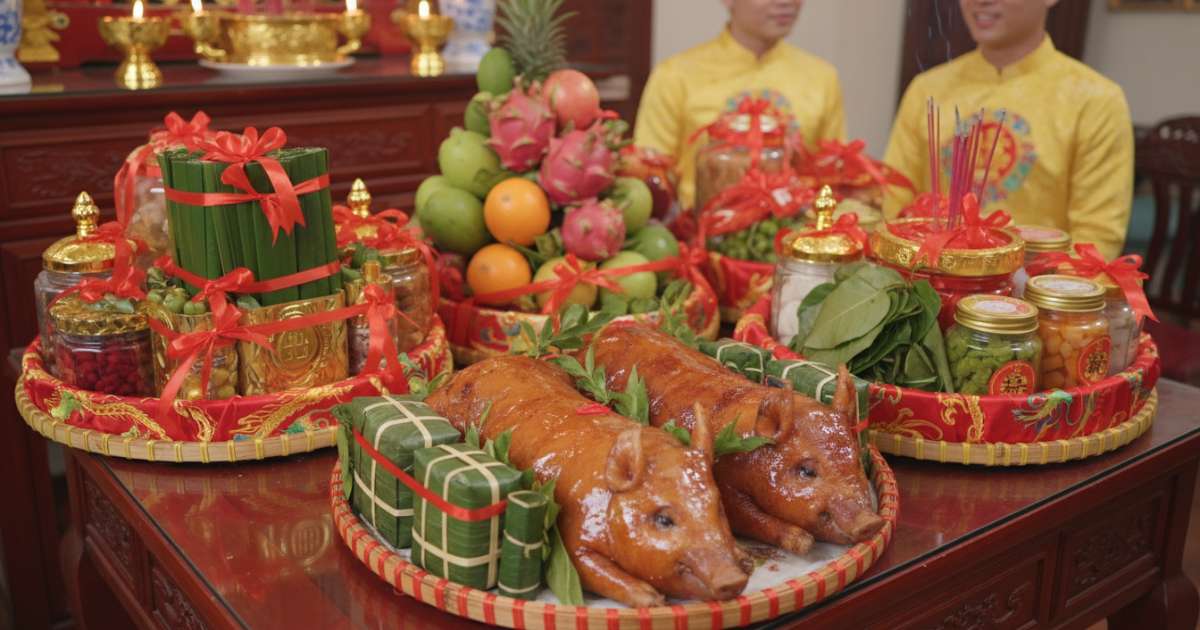
The contents of Vietnamese wedding trays are never chosen at random. Each item carries a specific meaning related to marriage, fertility, and longevity. While the number of trays can vary, there are several core items that are considered essential in almost every traditional Vietnamese wedding. These items are carefully arranged to look aesthetically pleasing while maintaining their symbolic integrity. The selection of high-quality products for these trays is a point of pride for the groom’s family, as it reflects their social standing and their sincerity.
Areca Nuts and Betel Leaves
The most important tray in any Vietnamese wedding trays set is the one containing areca nuts and betel leaves (Trau Cau). This combination is the ultimate symbol of marriage in Vietnam. According to ancient folklore, the areca nut and betel leaf represent a bond that is inseparable. The phrase “the matter begins with a piece of betel” highlights its importance in starting any formal conversation or ceremony. In the context of a Vietnamese engagement ceremony, the areca nuts are often chosen in specific numbers, such as 60 or 100, to represent the number of years the couple will spend together. The green color of the leaves and the solid nature of the nuts symbolize the strength and freshness of a new relationship.
Vietnamese Tea and Wine
Another indispensable component of Vietnamese wedding trays is the tray containing tea and wine. These items are used during the ancestor worship ceremony that takes place at the bride’s home. The tea and wine are offered to the ancestors to inform them of the wedding and to ask for their blessing and protection for the couple. Vietnamese tea and wine represent respect and solemnity. High-quality lotus tea or jasmine tea is often preferred, while the wine is usually a traditional rice wine or a premium bottled spirit. The act of pouring wine and tea for the elders is a significant ritual that demonstrates the couple’s filial piety.
Traditional Cakes like Phu The and Banh Co
Sweetness and harmony are represented by the inclusion of traditional cakes in the Vietnamese wedding trays. The most famous is the Banh Phu The, or Husband and Wife cake. This cake consists of a jelly-like outer layer made of starch and a sweet mung bean filling. It is often wrapped in pairs to symbolize the inseparable nature of a married couple. Another common choice is Banh Co (sticky rice cake) or Banh Pia. These cakes are not only delicious but also serve as a wish for a sweet and smooth life together. The sticky texture of the cakes symbolizes the couple staying together through all of life’s challenges, making them a staple in Vietnamese wedding traditions.
Roasted Pig and Sticky Rice
For a more substantial offering, many families include a tray with a whole roasted pig or a plate of Xoi Gam (red sticky rice). The roasted pig represents wealth, abundance, and the wish for the couple to have many children. The red sticky rice, colored naturally with gac fruit, signifies luck and a vibrant life. In some regions, the roasted pig is considered the highlight of the Vietnamese wedding trays, showcasing the generosity of the groom’s family. These savory items are often shared among the guests after the ceremony, further spreading the joy and blessings of the union.
Regional Variations of Vietnamese Wedding Trays
Vietnam is a country with diverse regional customs, and this diversity is clearly reflected in how Vietnamese wedding trays are prepared. While the core philosophy remains the same, the number of trays and the specific items included can differ significantly between the North, Central, and South. These variations are influenced by local history, climate, and social preferences, making each traditional Vietnamese wedding unique to its location.
Northern Vietnam Traditions
In Northern Vietnam, particularly in cities like Hanoi, the number of Vietnamese wedding trays is always an odd number, such as 5, 7, 9, or 11. However, the number of items inside each tray must be an even number. This combination of odd and even represents the balance of Yin and Yang, which is essential for a harmonious marriage. Northern families often place a high emphasis on the aesthetic arrangement of the trays, using elaborate decorations and high-quality products. The Vietnamese engagement ceremony in the North is known for its formality and adherence to ancient protocols, ensuring that every detail of the Vietnamese wedding trays is perfect.
Central Vietnam Customs
The Central region, with Hue as its cultural heart, follows a more simple and practical approach to Vietnamese wedding trays. The number of trays is usually 5, representing the five elements of the universe. A unique addition in Central Vietnam is the inclusion of a small bottle of ginger wine or a plate of salt and ginger. This symbolizes the “salty” and “spicy” flavors of life, reminding the couple that they must stay together through both the good times and the hardships. The Vietnamese wedding trays in this region are less about showy displays and more about the deep, meaningful messages conveyed through simple items.
Southern Vietnam Practices
In Southern Vietnam, the customs regarding Vietnamese wedding trays are quite different. Southerners prefer even numbers for the trays, usually 6 or 8. In the Vietnamese language, the word for six (Luc) sounds like the word for “luck” (Loc), and the word for eight (Bat) sounds like “prosperity” (Phat). Southern families often include a tray of fruit, such as custard apples, coconuts, papayas, and mangoes, which together sound like a prayer for “just enough spending money.” The Vietnamese wedding trays in the South are known for being generous and festive, reflecting the open and warm nature of the people in this region.
The Importance of Numbers in Vietnamese Wedding Trays
Numbers play a critical role in Vietnamese wedding traditions. Every digit associated with the Vietnamese wedding trays is chosen to bring good fortune and avoid bad luck. As mentioned, the choice between odd and even numbers depends on regional beliefs, but the underlying goal is always to ensure the couple’s happiness. The number of trays also dictates the number of people in the wedding procession. Usually, a group of young, unmarried men from the groom’s side will carry the trays, and an equal number of young, unmarried women from the bride’s side will receive them.
Significance of the Number Six and Eight
For those who follow the Southern tradition, the numbers six and eight are highly sought after. A set of six Vietnamese wedding trays is considered the standard for a middle-class family, while eight trays are seen as a sign of great wealth and status. These numbers are believed to attract financial success and social standing. When a groom’s family presents eight Vietnamese wedding trays, it is a clear message that they are committed to providing a luxurious and stable life for the bride. This numerical symbolism is deeply ingrained in the Vietnamese engagement ceremony, influencing every decision from the number of cakes to the number of areca nuts.
The Meaning of Nine Trays in the North
In the North, nine is often considered the most auspicious number for Vietnamese wedding trays. The number nine represents eternity and longevity in Vietnamese culture. A nine-tray set is comprehensive, usually including areca nuts, tea, wine, cakes, fruit, roasted pig, sticky rice, and even jewelry or clothing for the bride. Bringing nine Vietnamese wedding trays is a way for the groom’s family to show their ultimate respect and their wish for a marriage that lasts forever. It is a grand gesture that is highly respected in traditional Vietnamese wedding circles.
The Process of Exchanging Vietnamese Wedding Trays
The exchange of Vietnamese wedding trays is a choreographed ritual that requires precision and grace. It is the highlight of the Vietnamese engagement ceremony and follows a strict sequence of events. The process begins at the groom’s house, where the trays are prepared and blessed. Then, the groom’s family travels to the bride’s house in a formal procession. The order of the procession is usually led by the representative of the groom’s family, followed by the groom, his parents, and finally the tray bearers carrying the Vietnamese wedding trays.
The Arrival of the Groom’s Family
Upon arriving at the bride’s home, the groom’s family is met by the bride’s family at the gate. This is a moment of great excitement and anticipation. The representative of the groom’s family will step forward to offer a small tray of wine and betel leaves to the bride’s family representative, asking for permission to enter the house. Once permission is granted, the young men carrying the Vietnamese wedding trays will walk in and line up opposite the young women from the bride’s side. This visual of two rows of young people in traditional Ao Dai, holding the bright red Vietnamese wedding trays, is one of the most iconic images of a traditional Vietnamese wedding.
The Tray Handover Ritual
The actual handover of the Vietnamese wedding trays is a symbolic transfer of responsibility. The young men hand the trays to the young women, who then carry them inside and place them on the ancestral altar. This act signifies that the bride’s family has accepted the groom’s proposal. After the trays are placed, the couple will perform a prayer in front of the ancestors, offering the items from the Vietnamese wedding trays as a sign of respect. This ritual is deeply emotional, as it marks the moment the bride officially introduces her future husband to her ancestors. Following the prayer, a portion of the gifts in the trays is returned to the groom’s family (known as Lai Qua) to show that the bride’s family is not greedy and wishes to share the luck with the in-laws.
Modern Adaptations of Vietnamese Wedding Trays
In modern times, the tradition of Vietnamese wedding trays has evolved to suit the lifestyles of contemporary couples. While the core items like areca nuts and tea remain, the presentation and variety of gifts have expanded. Many couples now choose to include modern luxury items or customize their trays to reflect their personal tastes. However, the essence of the Vietnamese wedding trays as a symbol of respect and family union remains unchanged. Even in urban centers like Ho Chi Minh City or Hanoi, the Vietnamese engagement ceremony continues to be a cherished part of the wedding journey.
Luxury and Custom Trays
For modern couples, Vietnamese wedding trays have become a way to express their unique style. Instead of standard lacquer boxes, some choose trays made of wood, glass, or even metal, decorated with fresh flowers and elaborate ribbons. The contents might also include imported chocolates, premium wines, or designer jewelry. These custom Vietnamese wedding trays are often professionally arranged by wedding planners to ensure they look stunning in photographs. Despite these modern touches, the symbolic importance of the gifts remains the priority, ensuring that the traditional Vietnamese wedding values are preserved.
Simplifying the Tradition for Modern Couples
For those living abroad or with busy schedules, the Vietnamese wedding trays tradition is sometimes simplified. Instead of many trays, a couple might choose to have only three or five essential ones. This allows them to maintain the cultural connection without the logistical challenges of a large procession. Some families also opt for “symbolic” trays where the items are represented by high-quality replicas or smaller versions. This flexibility shows the resilience of Vietnamese wedding traditions, as they adapt to the modern world while keeping the heart of the culture alive. Whether elaborate or simple, the Vietnamese wedding trays continue to be the soul of the engagement process.
Planning a wedding is a beautiful journey that involves many traditional steps, and choosing the right attire is just as important as the Vietnamese wedding trays themselves. At CeesBridal, we specialize in providing professional Custom Wedding Dress Design services that cater to the unique needs of every bride. Our team is dedicated to creating elegant and detailed gowns that honor both tradition and modern fashion, ensuring you look your best on your special day.
If you are looking for a dress that perfectly fits your body and reflects your personal style, CeesBridal is the ideal destination. We take pride in our craftsmanship and our ability to serve both local and international customers with high-quality bridal wear. Let us help you create a masterpiece for your traditional Vietnamese wedding or contemporary ceremony, making your wedding dreams a reality with our expert design services.
🌐 Website 1: https://ceesbridal.com/
🌐 Website 2: https://www.facebook.com/CeesBridal/
