
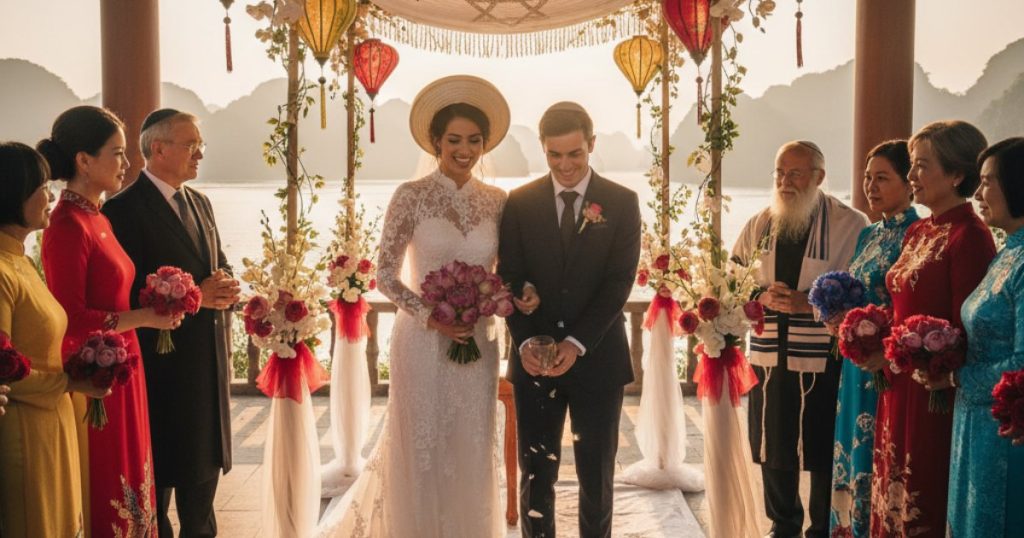
A Jewish Vietnamese wedding is a truly unique and beautiful celebration, weaving together the rich tapestries of two distinct cultures into one harmonious event. It represents not just the union of two individuals, but also the coming together of families, histories, and traditions. This guide explores the intricate details and heartfelt customs that make a Jewish Vietnamese wedding an unforgettable experience, honoring both heritage and love.
Embracing the Blend A Jewish Vietnamese Wedding
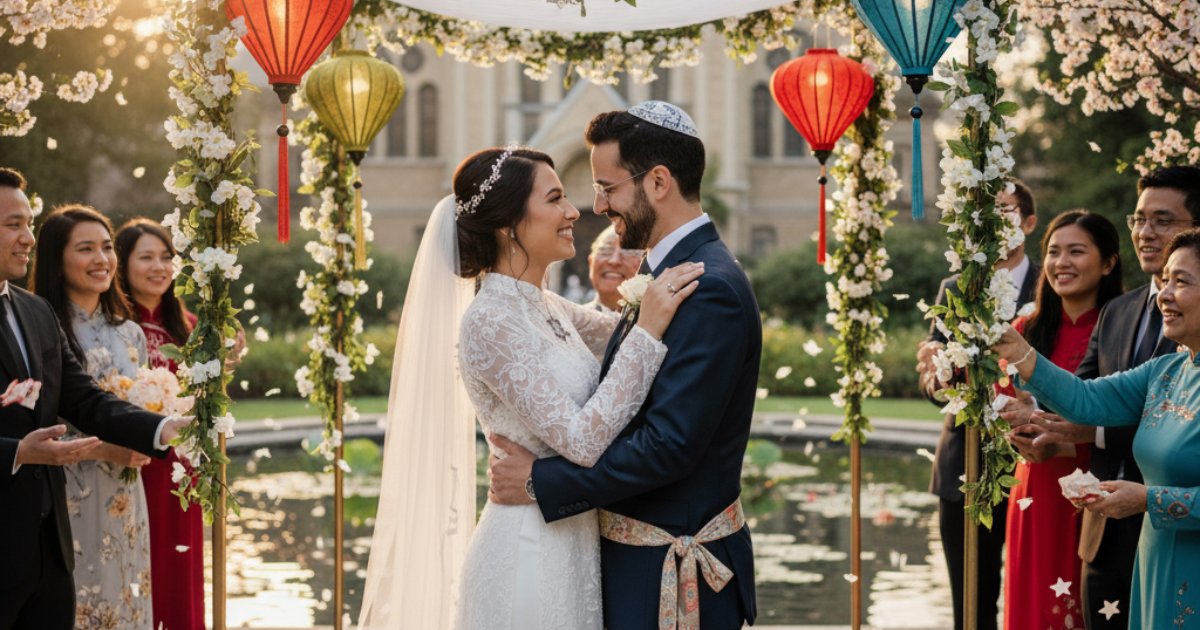
The concept of a Jewish Vietnamese wedding is a testament to love transcending cultural boundaries. It offers couples an incredible opportunity to create a celebration that is deeply personal and reflective of their dual heritage. By thoughtfully integrating elements from both Jewish and Vietnamese customs, a couple can craft a ceremony and reception that is meaningful to everyone involved, from the traditional Jewish blessing under the chuppah to the respectful Vietnamese tea ceremony.
The Beauty of Cultural Fusion
A marriage between individuals from different backgrounds brings forth a beautiful fusion, and a Jewish Vietnamese wedding is a prime example. It showcases respect for ancestral roots while forging new traditions as a couple. This blend can be seen in everything from the culinary choices to the ceremonial attire, creating a vibrant and memorable atmosphere for all guests.
Key Jewish Wedding Traditions to Honor
Jewish weddings are steeped in centuries of tradition, symbolizing covenant, community, and joy. For a Jewish Vietnamese wedding, carefully selecting which Jewish customs to include is essential for honoring the Jewish heritage.
The Ketubah and Chuppah
The Ketubah, a traditional Jewish marriage contract, is often beautifully calligraphed and signed before the ceremony, serving as a promise between the couple. The Chuppah, a canopy under which the couple stands, symbolizes the new home they are building together and God’s presence in their union. These are central elements that provide a profound spiritual foundation to any Jewish wedding, including a Jewish Vietnamese wedding.
Breaking the Glass and Yichud
The breaking of the glass at the end of the ceremony is a joyous and symbolic tradition, representing the fragility of human relationships and a call to remember the destruction of the Temple in Jerusalem. Following this, the Yichud, a private moment for the couple to share their first moments alone as husband and wife, offers a peaceful start to their married life.
The Hora Dance
No Jewish wedding is complete without the Hora, a lively circle dance where the couple is lifted on chairs by their guests. This communal dance embodies the joyous spirit of the celebration and is a fantastic way to involve everyone in the festivities, even at a Jewish Vietnamese wedding.
Incorporating Vietnamese Wedding Customs
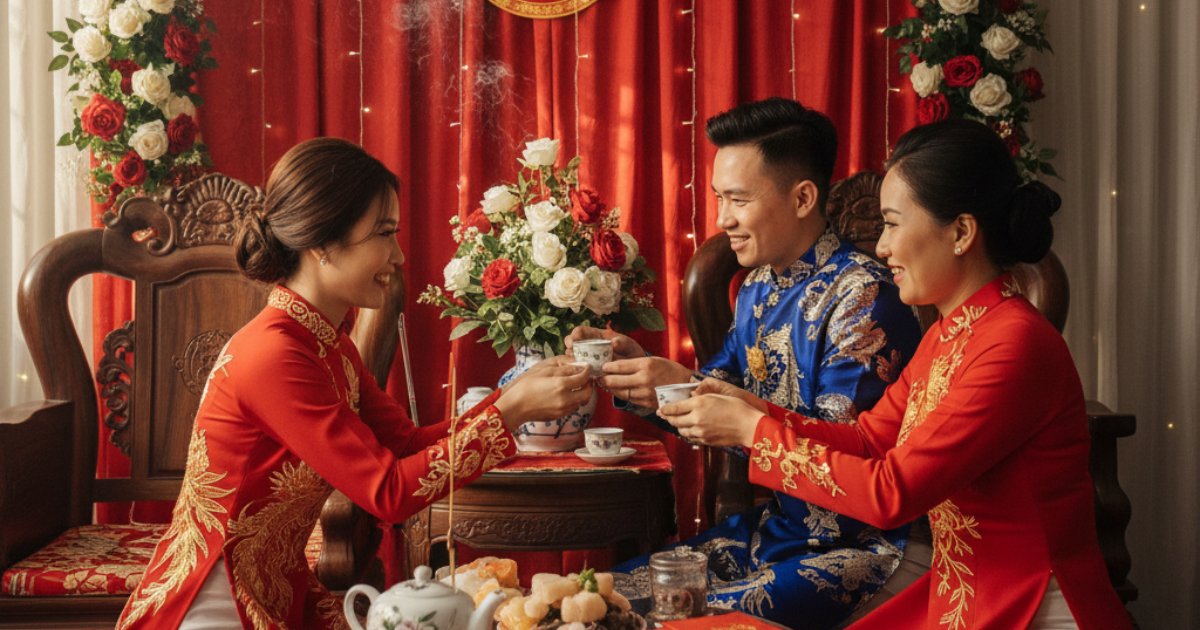
Vietnamese wedding traditions are rich with symbolism, honoring family, ancestors, and the journey of the couple. Integrating these customs into a Jewish Vietnamese wedding adds warmth, respect, and vibrant cultural flavor.
The Tea Ceremony and Ancestor Worship
The Vietnamese Tea Ceremony is a cornerstone of the wedding, where the couple expresses gratitude to their parents and elders for their upbringing. They serve tea, and in return, receive blessings, advice, and often gifts of jewelry. This is usually followed by an ancestral worship ceremony, where the couple pays respects to deceased relatives, inviting their blessings for the marriage.
Traditional Attire Ao Dai
The Ao Dai, the elegant traditional Vietnamese dress, is a beautiful choice for a bride, and sometimes the groom also wears a matching male version. Incorporating the Ao Dai, perhaps during the tea ceremony or as a change of attire during the reception, beautifully represents the Vietnamese side of a Jewish Vietnamese wedding.
Procession to the Bride’s Home
A traditional Vietnamese procession, where the groom’s family brings gifts to the bride’s home, can be adapted to precede the main ceremony. This symbolically asks for the bride’s hand in marriage and unites the two families.
Planning Your Unique Jewish Vietnamese Wedding Ceremony
Planning a cross-cultural wedding requires thoughtful consideration and open communication. For a Jewish Vietnamese wedding, careful coordination ensures both traditions are respected and beautifully executed.
Choosing a Venue and Officiants
Selecting a venue that can accommodate both traditional Jewish and Vietnamese elements, such as space for a Chuppah and a separate area for a tea ceremony, is key. Finding officiants—a Rabbi and potentially a Vietnamese elder or celebrant—who are open to collaborating or co-officiating can create a truly inclusive ceremony for your Jewish Vietnamese wedding.
Catering and Dietary Considerations
Food plays a significant role in both cultures. Offering a menu that blends kosher options with delicious Vietnamese cuisine can be a highlight. Working with caterers experienced in both types of food ensures all guests have delightful and appropriate dining choices, crucial for any Jewish Vietnamese wedding celebration.
Finding the Perfect Attire for Your Jewish Vietnamese Wedding
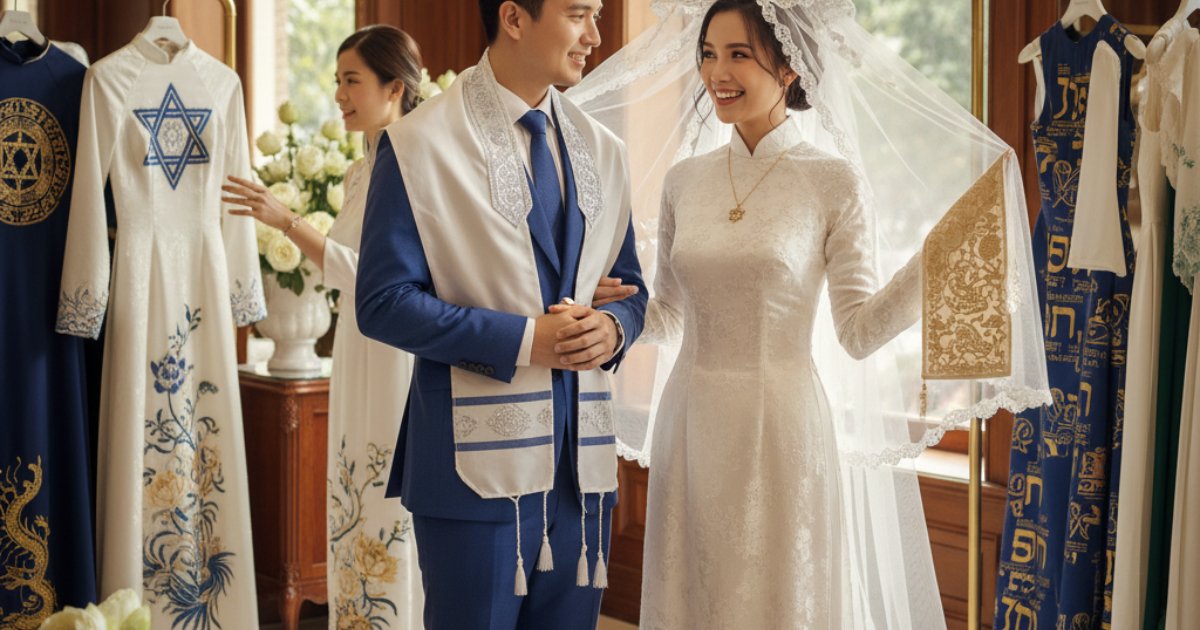
The wedding attire is a significant aspect, symbolizing beauty and tradition. For a Jewish Vietnamese wedding, options range from blending styles to wearing multiple outfits.
Bridal Gowns and Veils
Many brides choose a traditional white wedding gown for the main ceremony, perhaps adding a Jewish veil. For the Vietnamese portion, changing into an elegant Ao Dai is a popular and stunning choice. The transition between these outfits can beautifully narrate the blend of cultures in your Jewish Vietnamese wedding.
Groom’s Attire and Cultural Elements
The groom can wear a classic suit or tuxedo, potentially incorporating elements like a kippah. For the Vietnamese tea ceremony, a traditional male Ao Dai or a modern suit paired with traditional Vietnamese accessories can be considered. These choices thoughtfully represent both heritages within the Jewish Vietnamese wedding.
Navigating Cultural Sensitivities and Family Expectations
Successfully blending two cultures requires empathy, understanding, and open dialogue. This is especially true for a significant event like a Jewish Vietnamese wedding.
Open Communication with Families
Engage both families early in the planning process. Discuss expectations, traditions they value most, and areas where they are flexible. This proactive approach helps avoid misunderstandings and fosters a sense of unity for your Jewish Vietnamese wedding.
Respecting Religious Observances
Be mindful of religious observances from both sides, such as Shabbat, dietary laws, or specific timings for ceremonies. Planning around these can ensure everyone feels comfortable and respected during the Jewish Vietnamese wedding festivities.
A Jewish Vietnamese wedding is more than just a ceremony; it is a profound celebration of love, heritage, and the beautiful future a couple builds together. By thoughtfully integrating the rich customs of both Jewish and Vietnamese traditions, couples can create a truly meaningful, respectful, and joyous occasion that will be cherished by all for years to come.
Designing and Tailoring Your Dream Wedding Dress at Cees Bridal: Discover our reasons and seamless process. It begins with a consultation to choose your design, followed by a quotation. Once a deposit is made, for international clients, you simply send us your measurements. We meticulously tailor the dress to your exact specifications, offering video calls for your approval and fitting checks. The final steps involve payment and delivery of your stunning gown.
Cees Bridal Hotline/Zalo: +84 378 220 630
Website: https://ceesbridal.com/
Fanpage: https://www.facebook.com/CeesBridal/
Địa chỉ: 16/8 Dang Van Ngu, Phu Nhuan District, Ho Chi Minh City, Vietnam
