
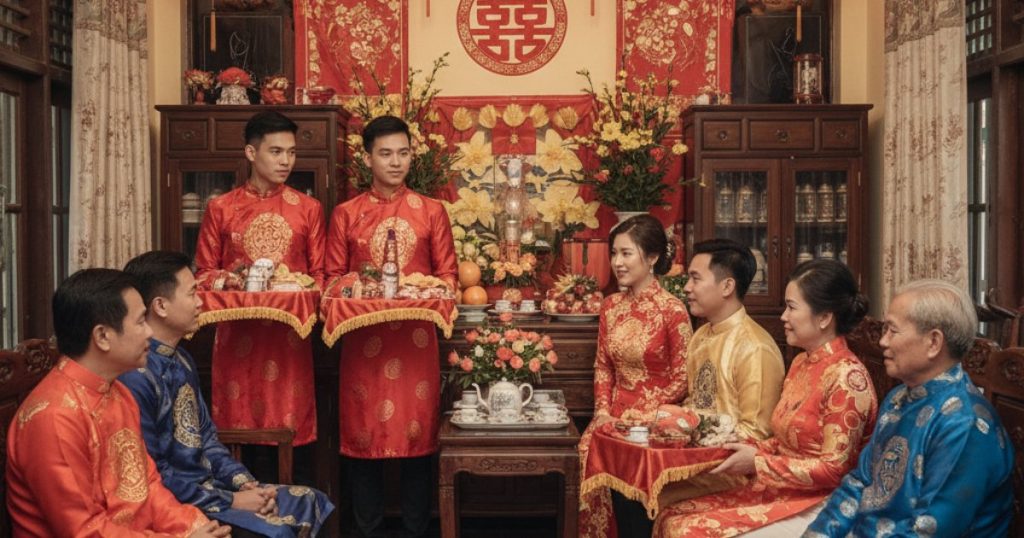
For couples embarking on their journey to marital bliss, understanding the cultural nuances of a wedding is paramount. When considering a ceremony rooted in rich history and heartfelt traditions, many often ask: how does a Vietnamese wedding work? A Vietnamese wedding is a beautiful tapestry woven with ancient customs, family blessings, and vibrant celebrations, reflecting the deep respect for ancestors and the importance of family unity. Far from being a single event, it is a series of meaningful rituals that honor the past while embracing the future.
This comprehensive guide will walk you through the intricate steps and significant elements of a traditional Vietnamese wedding, shedding light on the customs that make it so unique. Whether you are planning your own Vietnamese wedding, attending as a guest, or simply curious about these captivating ceremonies, understanding the flow of events will enrich your appreciation for this cultural milestone. We will explore everything from the initial proposal to the lively reception, ensuring you grasp the essence of how does a Vietnamese wedding work in its entirety.
Understanding the Vietnamese Wedding Journey
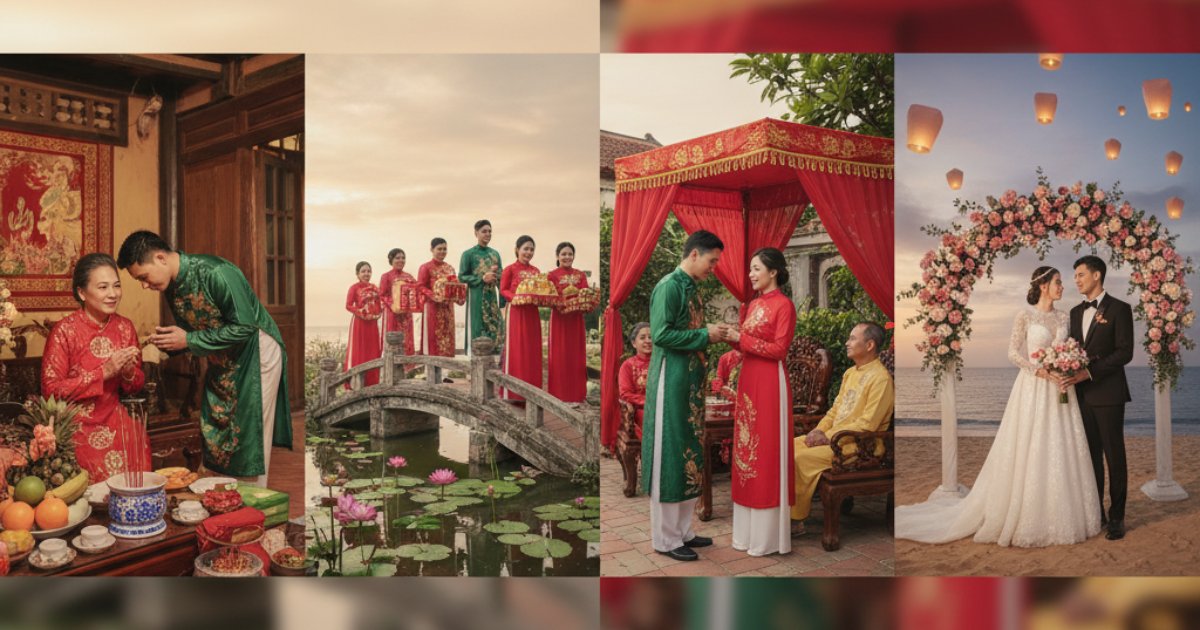
The journey of a Vietnamese wedding is typically a multi-stage process, beginning long before the actual wedding day. It’s a series of ceremonies that progressively solidify the union between two families, not just two individuals. To truly comprehend how does a Vietnamese wedding work, it is important to recognize these distinct phases, each carrying its own significance and rituals. These stages often include the proposal, the engagement ceremony, and finally, the wedding day itself, which encompasses several key events.
The Proposal Ceremony Le Dam Ngo
Historically, the proposal, or Lễ Dạm Ngõ, was the first official step where the groom’s family visited the bride’s family to formally ask for her hand in marriage. This meeting is less about the individuals proposing and more about the families establishing an initial connection and agreement. Gifts are exchanged, and discussions about the couple’s future and the subsequent engagement ceremony take place. This initial meeting is crucial for both families to show respect and lay the groundwork for a harmonious union. It is a quiet yet profoundly important step in understanding how does a Vietnamese wedding work.
Choosing an Auspicious Date
A significant aspect of planning is selecting an auspicious date for both the engagement and wedding ceremonies. Many Vietnamese families consult with a fortune teller or a spiritual leader to find dates and times that are believed to bring the most luck, prosperity, and harmony to the couple’s marriage. This practice underscores the cultural belief in fate and cosmic alignment, and it is a key element in the preparation for any traditional Vietnamese wedding.
The Engagement Ceremony Le An Hoi
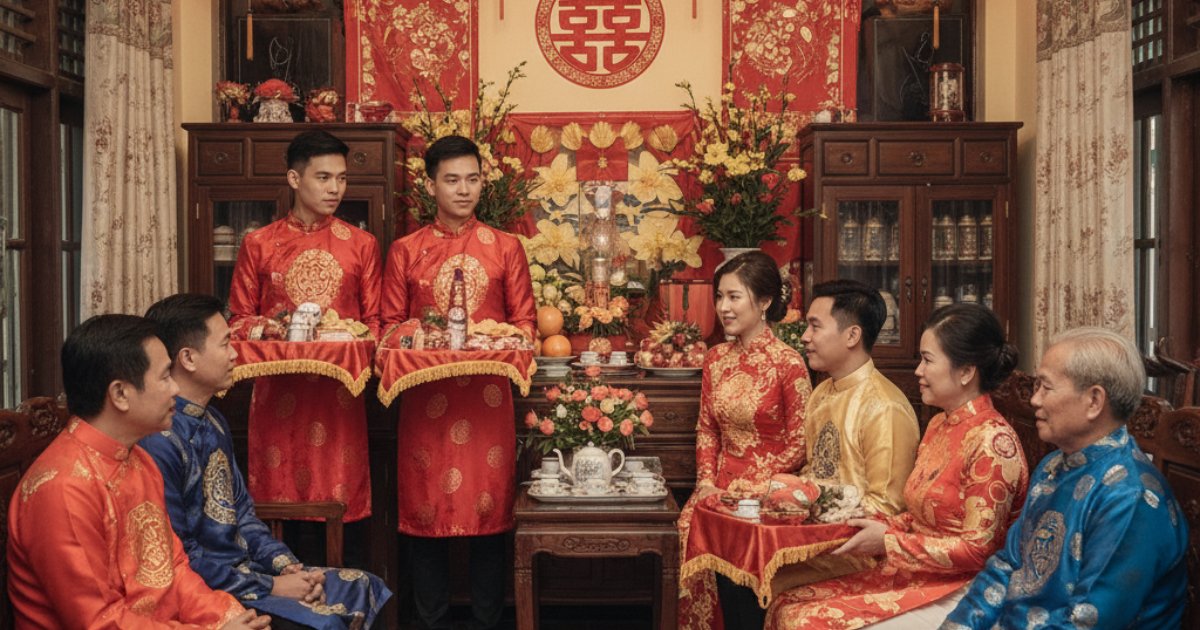
The Lễ Ăn Hỏi, or engagement ceremony, is often considered the most important event before the wedding day itself, and it provides significant insight into how does a Vietnamese wedding work. This elaborate ceremony formally announces the engagement to both families and the community. It is a colorful and joyous occasion filled with specific rituals and offerings that symbolize the families’ acceptance of the union.
The Procession of Gifts
On the day of the Lễ Ăn Hỏi, the groom’s family, led by the groom himself, proceeds to the bride’s house with an array of beautifully decorated trays. These trays, known as mâm quả, are laden with traditional offerings such as betel leaves and areca nuts (symbolizing lasting love), fruits, cakes, wine, and roasted pig. Each item has a symbolic meaning related to prosperity, fertility, and happiness. The number of trays is usually an odd number, as odd numbers are considered lucky in Vietnamese culture. The procession is a grand display, with young men and women from the groom’s side carrying the trays, matching young women from the bride’s side to receive them.
Ceremony at the Ancestor Altar
After the exchange of gifts, the couple, guided by their parents, light incense and pray before the bride’s ancestor altar. This ritual is a profound way to introduce the groom to the bride’s ancestors and ask for their blessings for the marriage. It emphasizes the deep respect for elders and ancestors that is central to Vietnamese culture and provides a clear picture of how does a Vietnamese wedding work with respect to family values. Rings are then exchanged, symbolizing their commitment.
The Wedding Day Procession
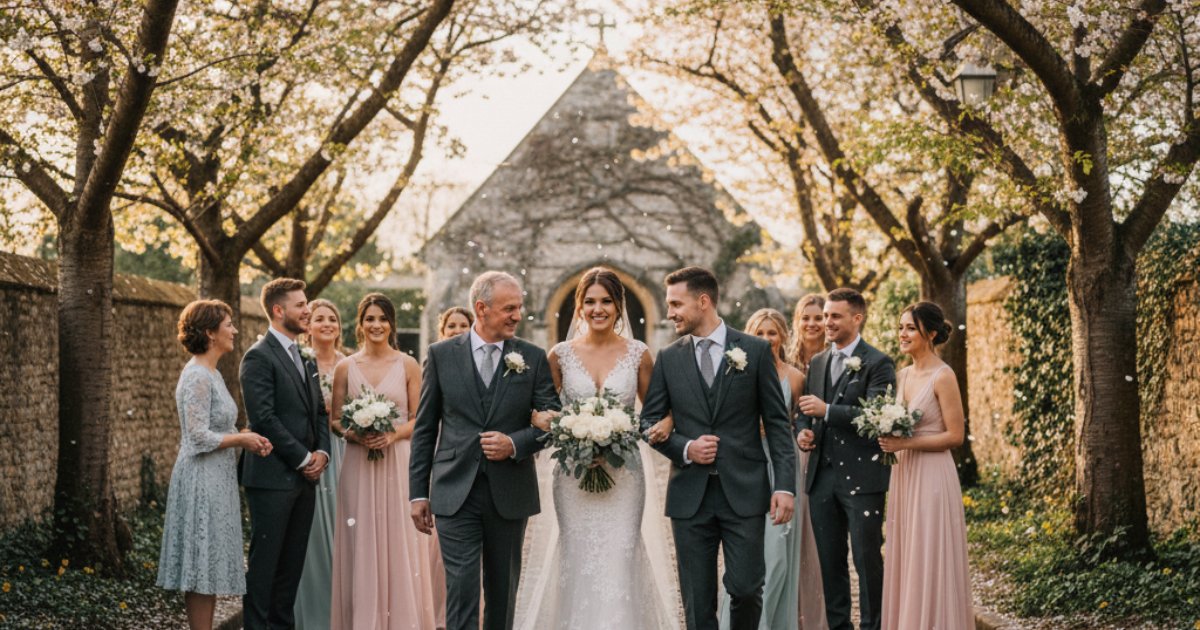
The actual wedding day is a culmination of all the preceding steps, and its ceremonies illustrate in detail how does a Vietnamese wedding work. It typically involves two main parts: the ceremony at the bride’s home and the reception.
Ceremony at the Bride’s Home
Similar to the engagement ceremony, the wedding day begins with the groom’s family arriving at the bride’s home. This time, the groom officially “picks up” his bride to take her to his home. This procession is often accompanied by traditional music and lively fanfare. At the bride’s home, another ceremony takes place before the ancestor altar, where the bride and groom offer prayers and express gratitude to their families and ancestors for their blessings. Parents often give advice and blessings to the couple, along with gifts of jewelry, representing family wealth and security. This ancestral ritual is a core aspect of how does a Vietnamese wedding work.
Departure to the Groom’s Home
After the ceremony at the bride’s home, the bride officially departs with the groom to his family’s residence. This is a highly emotional moment, symbolizing the bride leaving her maiden home to join her new family. Upon arrival at the groom’s house, another prayer ceremony is held at his family’s ancestor altar, welcoming the bride into her new lineage. This step reinforces the idea of merging two families and traditions, providing a deeper understanding of how does a Vietnamese wedding work.
Traditional Attire and Symbols
The visual splendor of a Vietnamese wedding is largely thanks to its traditional attire and powerful symbols. These elements are not just decorative; they are deeply ingrained in the cultural narrative of how does a Vietnamese wedding work.
The Ao Dai
The most iconic garment worn by the bride is the Áo Dài, the traditional Vietnamese long dress. For weddings, the bride’s Áo Dài is often elaborate, made from luxurious fabrics like silk or brocade, and intricately embroidered with auspicious symbols such as phoenixes and dragons (representing the bride and groom, respectively). Grooms often wear a matching Áo Dài or a Western-style suit. This attire emphasizes elegance and cultural pride, making a Vietnamese wedding visually distinct.
Symbolic Colors and Decorations
Red and gold are predominant colors in Vietnamese weddings, symbolizing luck, happiness, and prosperity. Decorations often feature double happiness symbols, phoenixes, and dragons, all carrying deep cultural significance related to marital bliss and fertility. These symbols are not merely aesthetic choices but are integral to the meaning and traditions of how does a Vietnamese wedding work.
Feast and Festivities
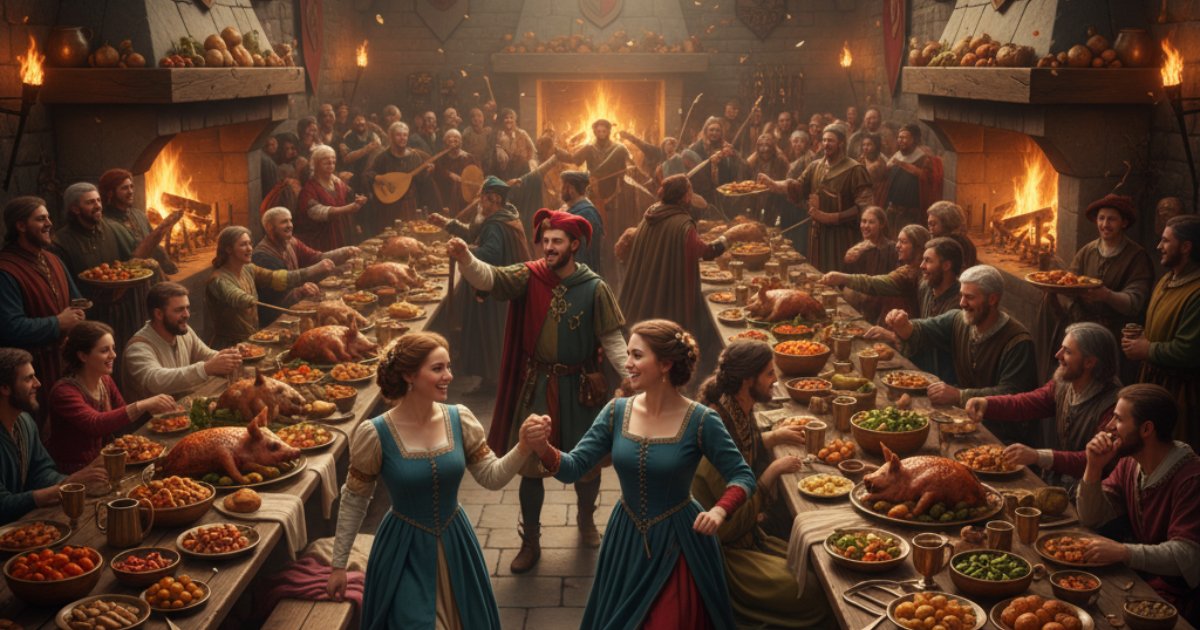
No wedding, especially a Vietnamese one, is complete without a grand celebration that brings families and friends together. This is where the joyous spirit of how does a Vietnamese wedding work truly shines.
The Wedding Reception
The wedding reception is typically a large banquet held at a restaurant or a grand hall. It is a festive occasion where guests enjoy a lavish meal, music, and entertainment. The highlight often includes the couple visiting each table to personally thank their guests, often offering a toast. This interaction symbolizes gratitude and strengthens community bonds. The reception is a joyful culmination of the journey, celebrating the newlywed couple and their families.
Tea Ceremony and Guest Interaction
A tea ceremony is often incorporated into the reception, where the couple serves tea to their elders, receiving blessings and red envelopes (lì xì) containing money, symbolizing good fortune. Guests offer their best wishes and sometimes monetary gifts. This interaction is a vital part of the social fabric of how does a Vietnamese wedding work, reinforcing familial ties and community support.
Modern Adaptations in Vietnamese Weddings
While deeply rooted in tradition, contemporary Vietnamese weddings often incorporate modern elements, reflecting global influences and personal preferences. This blend shows the evolving nature of how does a Vietnamese wedding work in the modern era.
Western Influences
Many couples choose to have a Western-style white wedding dress in addition to their traditional Áo Dài. Some may even opt for a civil ceremony in addition to the traditional Vietnamese rituals. The reception might feature elements like a first dance, cake cutting, and a more diverse musical selection. These adaptations allow couples to personalize their wedding while still honoring their heritage.
Photography and Videography
Modern Vietnamese weddings place a significant emphasis on capturing memories through professional photography and videography. Pre-wedding photoshoots at scenic locations are popular, as are cinematic wedding videos that tell the couple’s love story. This focus on documentation ensures that the beautiful moments of how does a Vietnamese wedding work are preserved for generations to come.
In conclusion, a Vietnamese wedding is a beautiful, multifaceted celebration that honors family, ancestry, and the promise of a shared future. From the solemn ancestral rituals to the lively receptions, every step of how does a Vietnamese wedding work is imbued with meaning and cultural significance. It is a testament to enduring traditions, adapted gracefully for contemporary times, making each Vietnamese wedding a truly memorable and deeply personal event.
—
Custom Wedding Dress Design at Cees Bridal
Understanding the unique beauty and cultural significance of a Vietnamese wedding, Cees Bridal specializes in crafting the perfect wedding dress for your special day. We believe every bride deserves a gown that perfectly embodies her vision, whether it’s a traditional Áo Dài or a modern Western-style dress. Our bespoke service ensures a dress that fits impeccably and reflects your individual style, making your dream Vietnamese wedding a reality.
Why Choose Cees Bridal for Your Custom Wedding Dress?
- Personalized Design: Work closely with our designers to create a unique gown tailored to your preferences and the specifics of your Vietnamese wedding.
- Expert Craftsmanship: Benefit from our skilled artisans who use high-quality materials and meticulous attention to detail.
- Perfect Fit: Experience the comfort and elegance of a dress designed to your exact measurements.
- Cultural Understanding: We appreciate the traditions of how does a Vietnamese wedding work and can design dresses that beautifully complement these customs.
Our Custom Wedding Dress Process:
- Model Selection Consultation: Begin with a detailed discussion about your desired style, fabric, and design elements. We help you explore options that resonate with your vision for a Vietnamese wedding.
- Quotation: Receive a transparent and comprehensive quote based on your chosen design and materials.
- Deposit: A deposit is made to initiate the design and production process.
- Overseas Clients Provide Measurements: For our international clients, we provide clear instructions on how to take and submit your measurements accurately from anywhere in the world.
- Custom Tailoring with Video Call Checks: Our experienced tailors meticulously craft your dress. For clients unable to visit in person, we arrange video calls for fitting checks and progress updates, ensuring your satisfaction at every stage.
- Payment and Delivery: Once your dream dress is complete and approved, final payment is processed, and your gown is carefully packaged and shipped to you.
Let Cees Bridal be a part of your unforgettable journey. Contact us today to begin designing the wedding dress of your dreams!
Cees Bridal Hotline/Zalo: +84 378 220 630
Website: https://ceesbridal.com/
Fanpage: https://www.facebook.com/CeesBridal/
Address: 16/8 Dang Van Ngu, Phu Nhuan District, Ho Chi Minh City, Vietnam
