
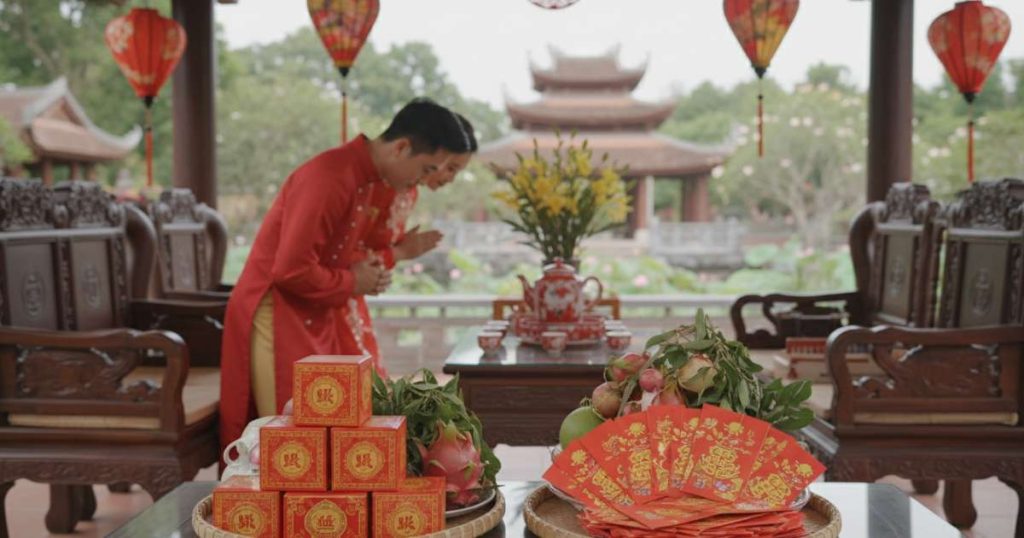
Understanding Vietnamese wedding words is essential for anyone who wishes to appreciate the rich cultural heritage and intricate rituals of a traditional union in Vietnam. These words are not merely labels for events but are deeply rooted in the history, philosophy, and social structures of the Vietnamese people. From the initial proposal to the final banquet, each step is defined by specific terminology that reflects the respect for ancestors and the importance of family bonds. By learning the most common Vietnamese wedding words, guests and participants can better navigate the complex layers of these celebrations and understand the profound meanings behind every gesture.
Essential Vietnamese wedding words for the engagement process
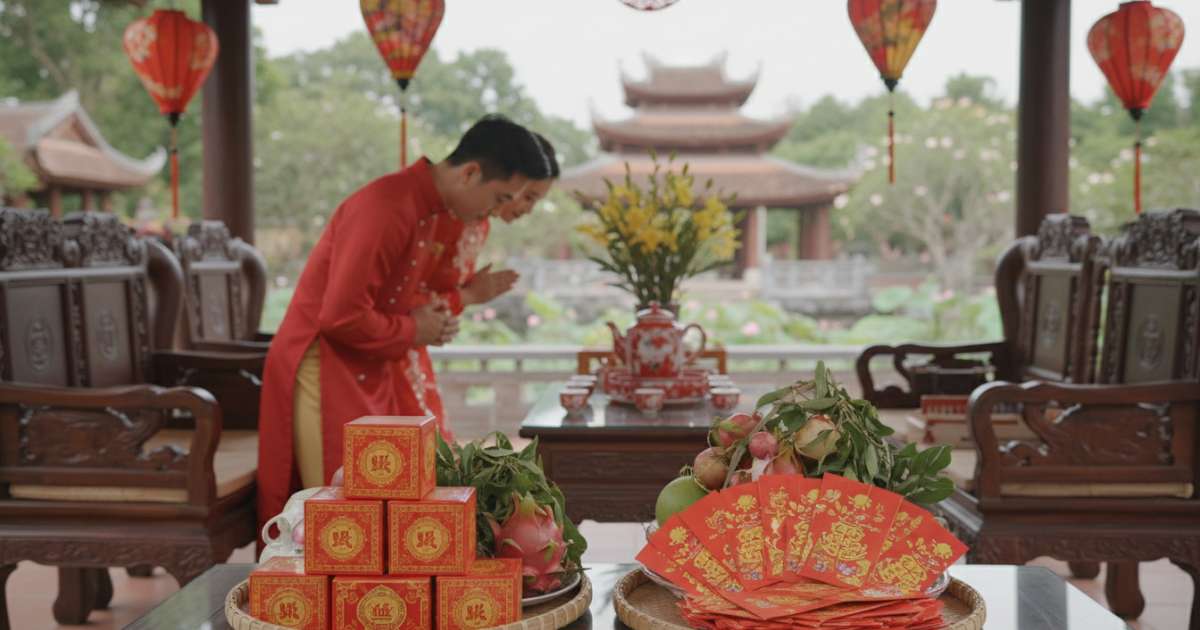
The journey toward marriage in Vietnam begins long before the actual wedding day, involving several stages that each have their own unique Vietnamese wedding words. One of the first major steps is the Le Dam Ngo, which serves as an official meeting between the two families. During this event, the groom’s family visits the bride’s home to formally ask permission for the couple to date with the intention of marriage. This stage is crucial in Vietnamese wedding traditions as it establishes the initial bond between the two households and ensures that both sides are in agreement regarding the future union.
The significance of Le An Hoi
Following the initial meeting, the Le An Hoi or the engagement ceremony takes place. This is often considered more important than the wedding itself in some traditional contexts. During this Vietnamese engagement ceremony, the groom and his family bring gifts to the bride’s house. These gifts are carried in red lacquer boxes known as Mam Qua. The number of boxes is usually an odd number, such as five, seven, or nine, as odd numbers are considered lucky in Northern Vietnam, while even numbers are preferred in the South. The exchange of these gifts is a vital part of the Vietnamese wedding vocabulary that every participant should know.
Understanding the role of Mam Qua
The Mam Qua contains various symbolic items that are essential to Vietnamese wedding customs. Common items include betel leaves and areca nuts, which represent the unbreakable bond of marriage. Other boxes may contain tea, wine, husband and wife cakes known as Banh Phu The, and a roasted pig. Each item is chosen for its symbolic meaning, representing wishes for fertility, wealth, and a sweet life together. The presentation of these gifts is a formal process where representatives from both families exchange words of gratitude and respect, further solidifying the Vietnamese wedding words associated with harmony and commitment.
Important Vietnamese wedding words for the official ceremony
On the actual day of the wedding, several distinct ceremonies occur, each identified by specific Vietnamese wedding words. The most prominent event is the Le Ruoc Dau, which is the procession to fetch the bride. The groom, his family, and his friends travel to the bride’s house to officially bring her to her new home. This procession is a public display of the new union and is characterized by a joyful atmosphere. Understanding these Vietnamese wedding words helps guests identify the different phases of the day and the cultural expectations associated with each one.
Distinguishing Le Vu Quy and Le Tan Hon
Two terms that often appear on invitations are Le Vu Quy and Le Tan Hon. These Vietnamese wedding words indicate where the specific celebration is taking place. Le Vu Quy refers to the ceremony held at the bride’s house before she departs for the groom’s home. It is a time for the bride to bid farewell to her parents and ancestors. On the other hand, Le Tan Hon refers to the ceremony at the groom’s house where the bride is welcomed as a new member of the family. In modern times, the term Le Thanh Hon is often used as a general term for the entire Vietnamese wedding ceremony, encompassing the union of both families.
The ritual of Khan Vai Gia Tien
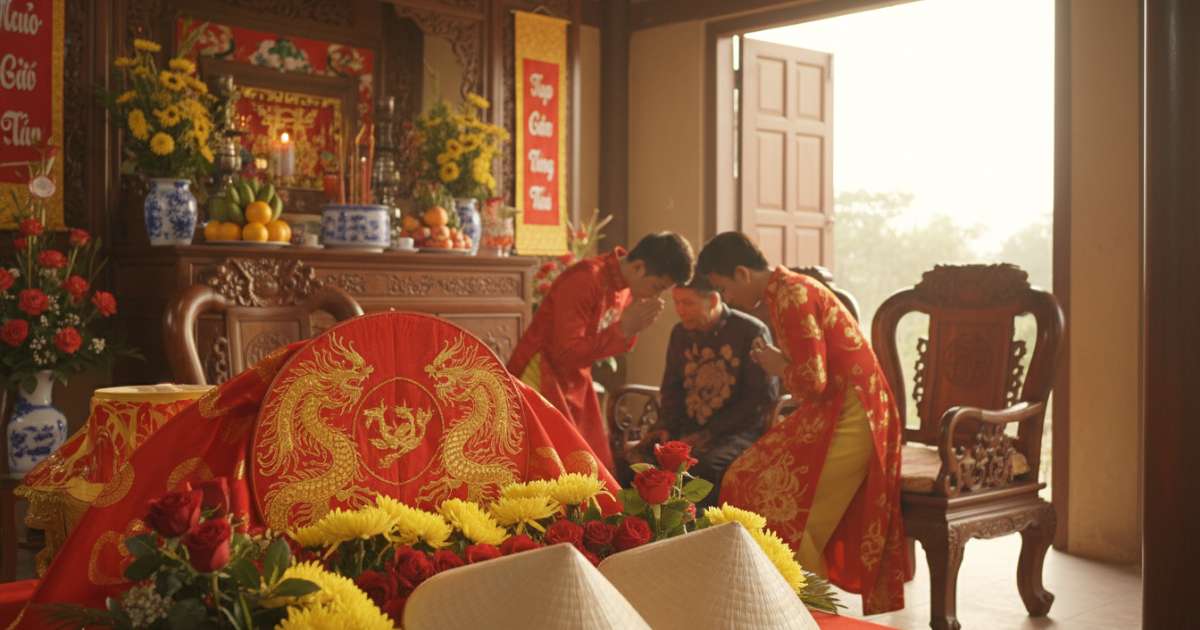
A central part of any Vietnamese wedding ceremony is the Khan Vai Gia Tien, or the ancestor worship ritual. The couple stands before the ancestral altar to burn incense and report their marriage to their ancestors. They ask for blessings and protection for their new life together. This ritual highlights the importance of filial piety in Vietnamese wedding traditions. The words spoken during this time are formal and solemn, reflecting the deep respect the couple has for their lineage. This is perhaps one of the most spiritual aspects of the Vietnamese wedding vocabulary, emphasizing that a marriage is not just between two individuals but includes the entire family tree.
Significant Vietnamese wedding words regarding family and social roles
The social structure of a wedding is defined by specific Vietnamese wedding words that describe the roles of family members and representatives. One of the most important figures is the Nguoi Dai Dien, or the family representative. Usually an elder with a good reputation and a happy marriage, this person speaks on behalf of the family during the formal negotiations and ceremonies. Their role is to ensure that the Vietnamese wedding customs are followed correctly and that the communication between the two families remains respectful and harmonious.
The concept of Sui Gia
Once two families are joined through marriage, the parents of the bride and the parents of the groom refer to each other as Sui Gia. This term signifies a new familial relationship that is highly valued in Vietnamese culture. Being Sui Gia means that the two families are now relatives and have a responsibility to support one another. This is one of the Vietnamese wedding words that extends beyond the wedding day, defining a lifelong social bond. The relationship between Sui Gia is often characterized by mutual respect and frequent visits during holidays and special occasions.
The role of Ho Hang and guests
The term Ho Hang refers to the extended family and relatives who attend the wedding. In Vietnamese wedding traditions, the presence of the Ho Hang is vital as they witness the union and provide emotional support to the couple. Guests who are not relatives are simply referred to as Khach Moi. During the wedding banquet, it is customary for the couple and their parents to visit every table to thank the Khach Moi for their presence. This act of gratitude is a key part of Vietnamese wedding customs, ensuring that everyone feels included in the celebration of the new Vietnamese wedding ceremony.
Common Vietnamese wedding words for attire and symbolic items
The visual elements of a wedding are also described using specific Vietnamese wedding words. The most iconic piece of clothing is the Ao Dai, the traditional long tunic worn by both the bride and the groom. For weddings, the Ao Dai is often made of silk and features intricate embroidery of phoenixes and dragons, symbolizing the king and queen. The bride often wears a red Ao Dai for luck, while the groom may wear a blue or black version. Accompanying the Ao Dai is the Khan Dong, a circular headdress that completes the traditional look.
Symbolism of the color red and gold
In the context of Vietnamese wedding vocabulary, colors play a significant role. Red is the most dominant color, symbolizing luck, happiness, and vitality. You will see red in the decorations, the Mam Qua, and the bridal attire. Gold is another essential color, representing wealth and prosperity. During the Vietnamese wedding ceremony, the groom’s mother often gives the bride gold jewelry, such as necklaces, earrings, and bracelets. These items are not just gifts but are seen as a form of financial security for the couple’s future, making them central to Vietnamese wedding traditions.
The importance of the wedding ring and jewelry
The exchange of rings is a universal symbol, but in Vietnam, it is often accompanied by the giving of Vang Cuoi, or wedding gold. This tradition involves the parents and close relatives giving gold pieces to the couple. The Vietnamese wedding words associated with these gifts often focus on “giving capital” for the couple to start their new life. This custom reinforces the idea that the community and family are invested in the success of the marriage. The jewelry worn by the bride is a visible sign of the love and support she receives from her new family, making it a highlight of the Vietnamese wedding customs.
Vietnamese wedding words used in rituals and traditional vows
While modern weddings may include Western-style vows, traditional ceremonies rely on specific Vietnamese wedding words and rituals to seal the union. One such ritual is the Ruou Giao Boi, where the couple drinks wine from the same cup or two cups tied together with a red thread. This symbolizes their transition into a single entity. The act of sharing wine is a powerful image in Vietnamese wedding traditions, representing the sharing of life’s joys and sorrows. The words spoken by the elders during this time often remind the couple of their duties to one another and to their families.
The tea and candle ceremony
The tea ceremony is perhaps the most well-known aspect of a Vietnamese wedding ceremony. The couple serves tea or wine to their parents and elders as a sign of respect and gratitude for their upbringing. In return, the elders give advice and blessings for a happy marriage. Another significant ritual is the lighting of the Long Phung candles (Dragon and Phoenix candles). These candles represent the union of the couple and are lit on the ancestral altar. The Vietnamese wedding words used during the candle ceremony often invoke the protection of the gods and ancestors, ensuring a stable and long-lasting marriage.
Traditional blessings and well-wishes
During the banquet and the various ceremonies, guests and family members offer Loi Chuc, or blessings. Common Vietnamese wedding words for blessings include Tram Nam Hanh Phuc, which means a hundred years of happiness, and Song Hy, which translates to double joy. These phrases are often seen printed on decorations and invitations. The use of these specific Vietnamese wedding words creates a positive and hopeful atmosphere, focusing on the longevity and prosperity of the couple’s relationship. These expressions are a vital part of the Vietnamese wedding vocabulary that every guest should be familiar with.
Modern adaptations of Vietnamese wedding words in the diaspora
As Vietnamese communities have spread across the globe, Vietnamese wedding words and traditions have evolved to blend with local customs. In many Western countries, the Vietnamese wedding ceremony may be held in a church or a civil office, but the traditional Le An Hoi and Le Ruoc Dau are still frequently observed at home. This blending of cultures has led to a unique set of Vietnamese wedding words that reflect a dual identity. Families often use English to explain the significance of the rituals to non-Vietnamese guests, ensuring that the Vietnamese wedding traditions are preserved and understood by future generations.
The evolution of the wedding banquet
The wedding banquet, or Tiec Cuoi, has also seen changes in modern times. While the traditional eight-course meal remains popular, many couples now incorporate Western elements like a tiered wedding cake and a first dance. However, the core Vietnamese wedding words associated with the banquet, such as Chao Ban (greeting tables), remain a staple. This practice ensures that the couple maintains a personal connection with every guest, a hallmark of Vietnamese wedding customs. The banquet is a time for celebration, music, and the sharing of stories, reinforcing the social bonds that are so important in Vietnamese culture.
Preserving the Vietnamese wedding vocabulary
For younger generations living abroad, learning Vietnamese wedding words is a way to connect with their roots. Many couples choose to include traditional elements in their weddings to honor their parents and grandparents. By using terms like Ao Dai, Le Dam Ngo, and Sui Gia, they keep the language alive and pass on the Vietnamese wedding traditions to their own children. The continued use of these Vietnamese wedding words serves as a bridge between the past and the present, ensuring that the unique cultural identity of a Vietnamese wedding remains vibrant and meaningful, regardless of where in the world it is celebrated.
Choosing a custom wedding dress at CeesBridal is the perfect way to ensure your gown reflects your unique style and heritage. Our professional design service focuses on creating one-of-a-kind pieces that are tailored specifically to your measurements and preferences, making you feel confident and beautiful on your special day.
CeesBridal is a leader in Vietnamese bridal fashion, blending traditional elegance with modern sophistication. Whether you are looking for a classic Ao Dai or a contemporary wedding gown, our detailed craftsmanship and high-quality materials cater to brides both in Vietnam and around the world, providing a truly personalized experience for every customer.
🌐 Website 1: https://ceesbridal.com/
🌐 Website 2: https://www.facebook.com/CeesBridal/
