
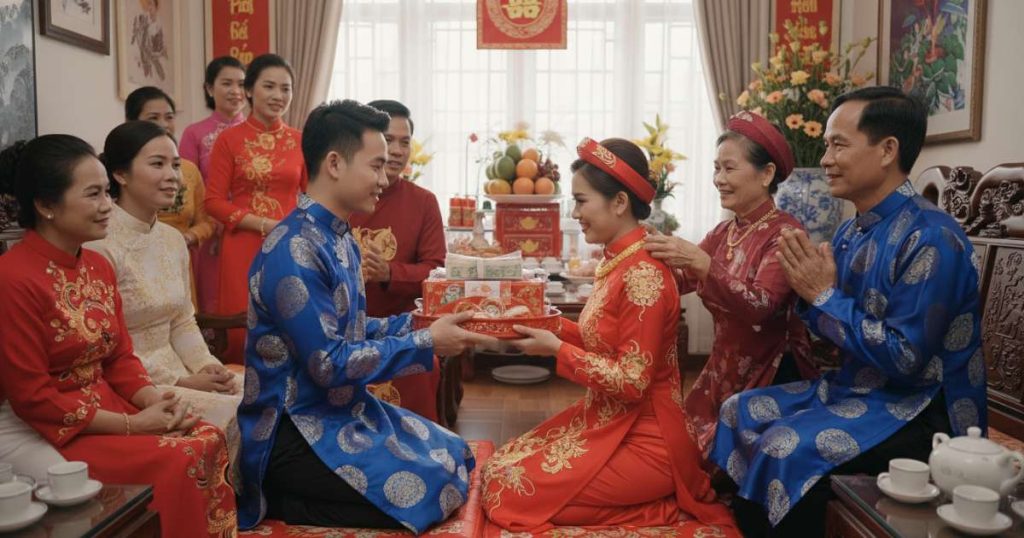
Vietnamese weddings are renowned for their vibrant colors, intricate rituals, and deep-rooted cultural values. For couples planning their big day, understanding Vietnamese wedding traditions who pays is essential to navigating the financial expectations of both families. Traditionally, these celebrations were not just a union between two individuals but a formal merging of two extended families. This communal nature heavily influences how costs are distributed, with specific rules governing who covers various expenses from the engagement ceremony to the grand reception. In the past, the groom’s family often bore the majority of the financial burden, but modern influences have introduced more flexibility into these age-old customs.
When exploring Vietnamese wedding traditions who pays, it is important to recognize that the financial structure is designed to show respect and gratitude. Each ceremony within the wedding process, such as the Dam Hoi or the formal tea ceremony, carries its own set of financial responsibilities. While traditional households may strictly follow historical precedents, many modern Vietnamese couples choose to split costs more evenly or rely on the contributions of their guests. This guide will provide a comprehensive look at the financial landscape of Vietnamese nuptials, helping you understand the roles of the bride, the groom, and their respective families in Vietnamese wedding traditions who pays today.
Historical context of Vietnamese wedding traditions who pays
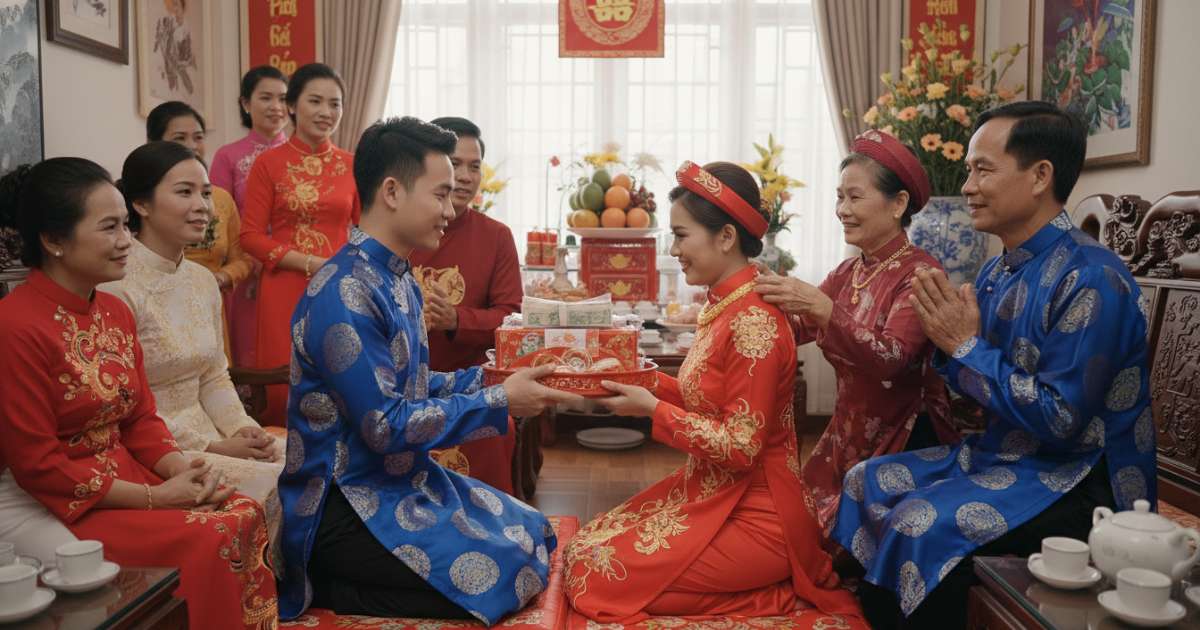
Historically, the patriarchal structure of Vietnamese society dictated that the groom’s family was responsible for almost all wedding costs. In Vietnamese wedding traditions who pays, this was seen as a way for the groom’s family to compensate the bride’s parents for raising her and to demonstrate their ability to provide for her in the future. The concept of Le Den On, or the ceremony of gratitude, is central to this tradition. By providing a generous dowry and covering the costs of the ceremonies, the groom’s family showed respect to the bride’s ancestors and her living relatives.
The role of the dowry in traditional finance
The dowry, often consisting of jewelry, money, and symbolic gifts, was a major part of Vietnamese wedding traditions who pays. The groom’s family would bring these items to the bride’s home during the engagement. These gifts were not merely decorative; they represented the groom’s commitment and financial stability. In many cases, the money provided in the dowry was used by the bride’s family to cover the costs of the feast they hosted at their home. This exchange ensured that the bride’s family did not suffer a financial loss while hosting the groom’s party.
Evolution of financial roles over time
As Vietnamese society has modernized, the rigid rules of Vietnamese wedding traditions who pays have softened. In the past, the groom’s family might have saved for years to afford a wedding, but today, many young couples are financially independent. They often contribute significantly to their own wedding funds. Despite these changes, the underlying principle of mutual support between families remains a cornerstone of the culture. Understanding the history helps modern couples decide which traditions to keep and which to adapt to their current financial situation.
Vietnamese wedding traditions who pays for the Dam Hoi engagement ceremony
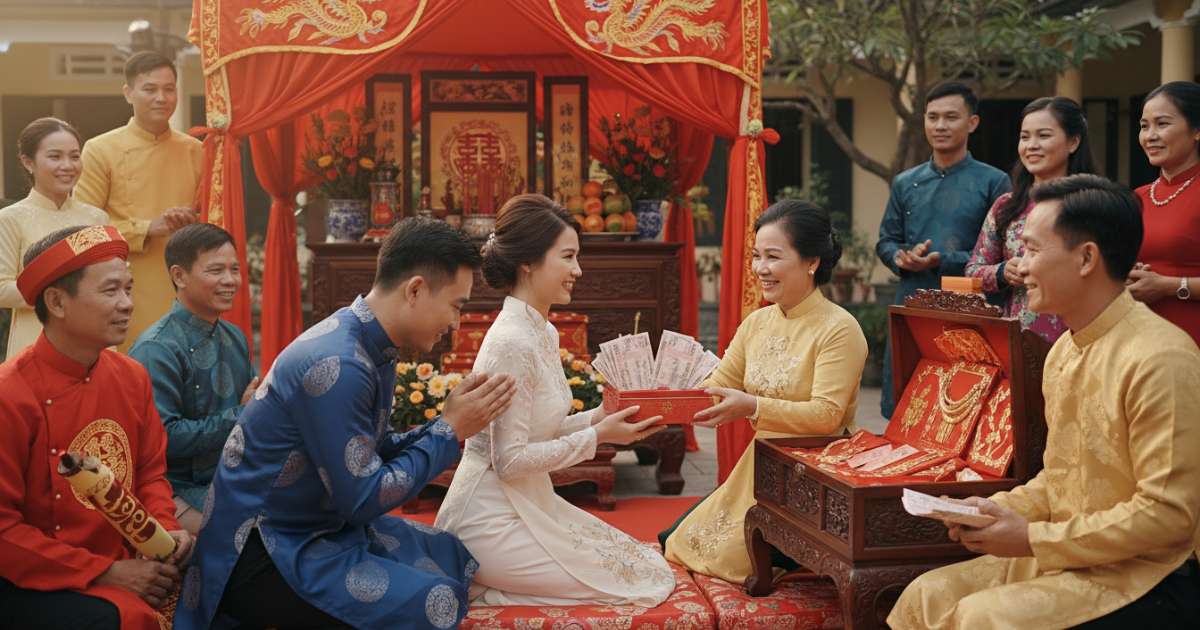
The Dam Hoi, or the formal engagement ceremony, is perhaps the most important pre-wedding event. When discussing Vietnamese wedding traditions who pays for this specific event, the responsibility is usually shared but leans towards the groom’s family. The groom’s side is expected to provide the ceremonial gifts, known as Le Vat, which are carried in red tin boxes. These gifts typically include betel and areca, wine, tea, fruits, and a roasted pig. The cost of purchasing and preparing these high-quality items is entirely the responsibility of the groom’s parents.
Costs associated with the bride home preparations
While the groom provides the gifts, the bride’s family is responsible for the logistics at their home. In the context of Vietnamese wedding traditions who pays, the bride’s family covers the costs of decorating their house, setting up the ancestral altar, and providing a lunch or dinner for all the guests after the ceremony. This includes hiring catering services, renting tables and chairs, and ensuring the home is in pristine condition to welcome the groom’s family. This division of labor and cost ensures that both sides contribute to the success of the engagement.
The significance of the black envelope money
A unique aspect of Vietnamese wedding traditions who pays during the Dam Hoi is the provision of a cash gift, often referred to as “wedding money” or “nappies money.” This is a sum of money given by the groom’s family to the bride’s mother. It is intended to help cover the costs of the bride’s wedding attire and the reception hosted by her family. The amount is usually agreed upon beforehand or follows social norms within the community, serving as a practical way to redistribute the financial weight of the celebration.
Groom family responsibilities in Vietnamese wedding traditions who pays
In the overall timeline of the wedding, the groom’s family often carries the most visible financial duties. When analyzing Vietnamese wedding traditions who pays, the groom is traditionally responsible for the wedding rings and the jewelry given to the bride during the tea ceremony. This jewelry, often made of 24k gold, serves as a form of financial security for the new couple. It is a significant investment that the groom’s parents usually manage, ensuring their new daughter-in-law feels welcomed and valued.
Financing the wedding procession logistics
The logistics of the wedding day itself also fall under the groom’s family’s list of expenses. In Vietnamese wedding traditions who pays, this includes renting the cars for the procession from the groom’s house to the bride’s house. If the families live in different cities, the groom’s side might also cover the transportation and lodging costs for their immediate relatives. Additionally, the groom is responsible for providing the red envelopes given to the bridesmaids and groomsmen who assist with the gift-bearing ceremony, a small but important detail in the budget.
The cost of the groom wedding attire
While much focus is placed on the bride, the groom’s family must also budget for his attire. In Vietnamese wedding traditions who pays, the groom usually wears a traditional Ao Dai for the morning ceremonies and a western-style suit for the evening reception. The groom’s family typically pays for these outfits, along with any grooming services required. If the groom chooses to have multiple outfit changes to match the bride, these costs are factored into the family’s total wedding budget.
Bride family contributions in Vietnamese wedding traditions who pays
The bride’s family plays a vital role in the hospitality side of the wedding. When looking at Vietnamese wedding traditions who pays, the bride’s parents are the primary hosts for the morning tea ceremony. They are responsible for the floral arrangements, the traditional snacks served to guests, and the hiring of a photographer to capture the moments at their residence. Their financial contribution focuses on creating a respectful and beautiful environment for the rituals that take place under their roof.
Managing the bride wedding wardrobe
The bride often wears several outfits throughout her wedding day, including multiple Ao Dai and a white wedding gown. In Vietnamese wedding traditions who pays, the bride’s family or the bride herself often covers the cost of these dresses, especially if they are custom-made. However, as mentioned earlier, the cash gift from the groom’s family may be used to offset these expenses. The bride’s side also pays for her professional hair and makeup services, which are essential for the long day of ceremonies and photography.
Hosting the return visit ceremony
A less common but still practiced tradition is the “Le Lai Mat,” or the return visit to the bride’s home a few days after the wedding. In Vietnamese wedding traditions who pays for this event, the bride’s family takes the lead. They host a small, intimate meal for the newlyweds and the groom’s immediate family. This is a gesture of continued connection between the two families and is funded entirely by the bride’s parents as a way to welcome their new son-in-law into their family circle.
Modern Vietnamese wedding traditions who pays for the reception
The wedding reception is usually the most expensive part of the entire celebration. In modern Vietnamese wedding traditions who pays, the reception costs are often handled differently than the traditional morning ceremonies. Many couples today choose to have a large banquet at a restaurant or hotel, inviting hundreds of guests. The payment for this event is frequently split between the two families based on the number of guests each side invites. This ensures a fair distribution of the venue and catering costs.
Guest contributions and the red envelope system
A fascinating aspect of Vietnamese wedding traditions who pays is the role of the guests. In Vietnamese culture, guests do not typically bring physical gifts like blenders or towels. Instead, they give “tien mung,” or lucky money, in red envelopes. This money is intended to help the couple cover the cost of their meal and start their new life together. In many cases, the total amount of money received from guests can cover a significant portion, or even the entirety, of the reception bill. This communal support system is a practical way that the community helps the couple manage their wedding expenses.
Handling the deposit and final payment
Even though guest gifts help, the couple still needs to manage the initial costs. In Vietnamese wedding traditions who pays for the initial deposits, it is common for the bride and groom to use their personal savings. They pay the venue deposits and vendor fees upfront. After the wedding, they use the money collected from the red envelopes to pay the remaining balance at the restaurant. This modern approach allows couples to have a grand celebration without placing an overwhelming financial burden on their parents.
Essential tips for managing Vietnamese wedding traditions who pays
Navigating the financial expectations of a Vietnamese wedding requires clear communication and careful planning. To successfully manage Vietnamese wedding traditions who pays, couples should sit down with both sets of parents early in the planning process. Discussing the budget openly can prevent misunderstandings and ensure that everyone is comfortable with their assigned responsibilities. It is important to respect tradition while also being realistic about the financial capabilities of each family in the modern world.
Balancing tradition with personal finances
Many couples find that a hybrid approach works best for Vietnamese wedding traditions who pays. You might choose to follow the traditional groom-pays-all model for the morning tea ceremony to honor your heritage, while opting for a 50/50 split for the modern evening reception. This balance allows you to respect your parents’ wishes while maintaining control over your own financial future. Remember that the goal of these traditions is to foster harmony between families, not to create financial stress.
The importance of a detailed budget
Creating a line-item budget is crucial when dealing with Vietnamese wedding traditions who pays. List every possible expense, from the roasted pig for the Dam Hoi to the tips for the waitstaff at the reception. Assign a “responsible party” to each item based on your family discussions. Having this written down provides clarity and helps track spending. It also allows you to see where you might need to adjust expectations if the total cost starts to exceed the combined resources of the families.
Considering the needs of international couples
For cross-cultural couples, Vietnamese wedding traditions who pays can be particularly complex. If one partner is not Vietnamese, it is vital to explain the cultural significance of the expenses to their family. They may not be familiar with the concept of providing a dowry or paying for specific ceremonial gifts. In these cases, the Vietnamese partner often acts as a mediator, helping to adapt the traditions so that both families feel included and respected without feeling pressured by unfamiliar financial obligations.
Choosing the perfect attire is a vital part of honoring your heritage while celebrating your unique love story. At CeesBridal, we understand that every bride deserves a gown that reflects her personality and fits her perfectly. Our Custom Wedding Dress Design At CeesBridal service offers a personalized experience where you can collaborate with expert designers to create the dress of your dreams. Whether you are looking for a traditional Ao Dai with a modern twist or a sophisticated Western wedding gown, we use the finest fabrics and detailed craftsmanship to ensure you look breathtaking on your special day.
Our team at CeesBridal specializes in Vietnamese bridal fashion, bringing years of expertise to every stitch and silhouette. We take pride in serving both local and international brides, providing professional consultations and high-quality garments that stand the test of time. By choosing a custom design, you are not just buying a dress; you are investing in a piece of art that celebrates your journey. Let us help you make your wedding day truly unforgettable with a gown that is as special as the traditions you are honoring.
🌐 Website 1: https://ceesbridal.com/
🌐 Website 2: https://www.facebook.com/CeesBridal/
