
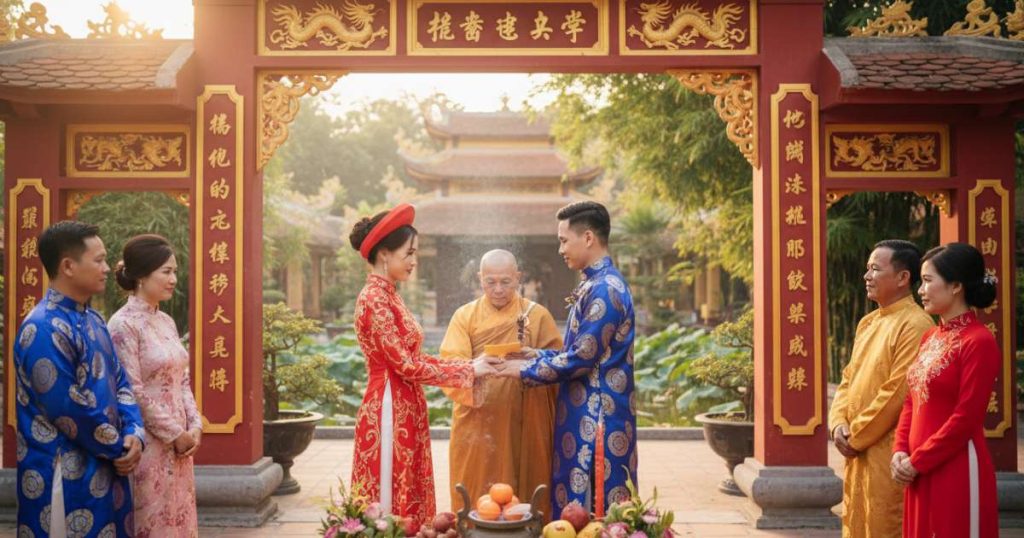
A wedding is a monumental milestone in any culture, but in Vietnam, it is a profound blend of ancient customs and heartfelt promises. The exchange of Vietnamese wedding vows represents the core of this union, serving as a public declaration of love, respect, and lifelong commitment. Traditionally, these vows were not just spoken between the couple but were addressed to the ancestors and the families, reflecting the communal nature of Vietnamese society. Today, as modern influences shape the way couples celebrate their big day, the essence of these promises remains rooted in deep cultural values. Understanding the evolution and the structure of Vietnamese wedding vows is essential for any couple looking to honor their heritage while celebrating their unique bond.
The Significance of Vietnamese Wedding Vows in Traditional Ceremonies
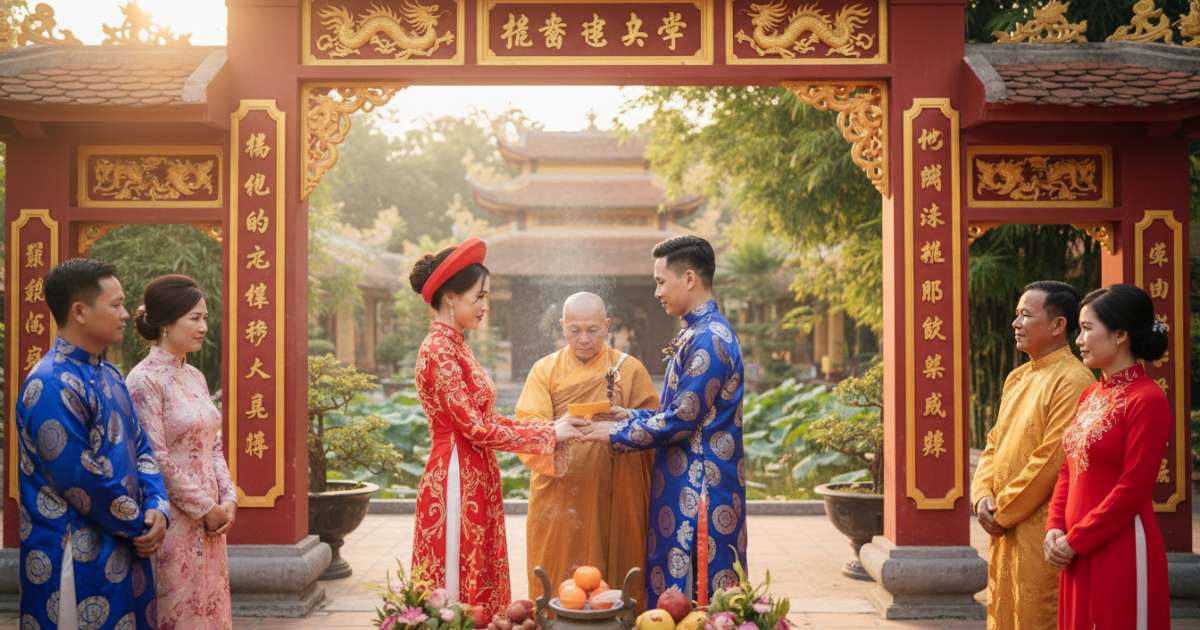
In a traditional Vietnamese wedding, the concept of vows goes beyond a simple exchange of romantic words. It is a sacred ritual that involves seeking permission and blessings from the ancestors. The Vietnamese wedding ceremony usually begins at the ancestral altar, where the couple offers incense and bows to their predecessors. During this time, the Vietnamese wedding vows are often expressed through formal prayers and declarations led by a family representative. This process signifies that the marriage is not just a contract between two individuals but a union of two lineages.
The significance of these vows lies in their emphasis on filial piety and gratitude. Before promising to care for each other, the bride and groom express their thanks to their parents for the gift of life and upbringing. By integrating these elements into their Vietnamese wedding vows, couples acknowledge the foundation upon which their new life is built. This traditional approach ensures that the virtues of loyalty and respect are placed at the forefront of the marriage, creating a strong moral framework for the couple to follow as they navigate their future together.
Honoring the Ancestral Altar
The most crucial part of the Vietnamese wedding ceremony takes place in front of the ancestral altar. Here, the couple performs the ritual of offering tea and wine to their ancestors. While they may not speak long, personalized poems, their actions serve as silent Vietnamese wedding vows. They promise to maintain the family traditions and to live a life that brings honor to their family name. This moment is deeply emotional, as it connects the past generations with the new one through a shared commitment to family values.
The Role of the Family Representative
In many ceremonies, a respected elder acts as the master of ceremonies. This individual often articulates the Vietnamese wedding vows on behalf of the couple or guides them through the formal declarations. The representative speaks about the importance of harmony, patience, and mutual support. These spoken words serve as a guide for the couple, reminding them that their Vietnamese wedding vows are witnessed by their entire community and should be upheld with the utmost sincerity throughout their lives.
Essential Elements of Traditional Vietnamese Wedding Vows
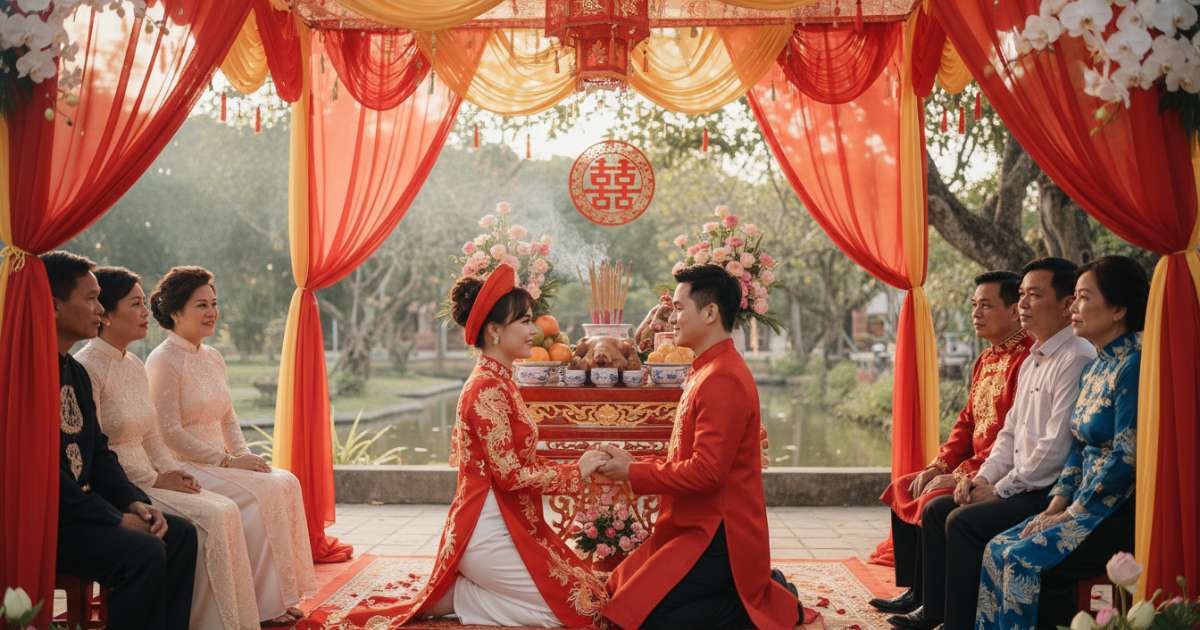
When looking at the specific content of Vietnamese wedding vows, several recurring themes emerge. These themes are designed to ensure the longevity and stability of the marriage. Unlike Western vows that often focus on individual feelings, Vietnamese wedding vows emphasize shared responsibilities and the collective well-being of the family. The language used is often formal and respectful, utilizing specific honorifics that denote the relationship between the speaker and the listener.
One of the primary elements is the promise of “Thuy Chung,” which translates to faithfulness and constancy. In the context of Vietnamese wedding vows, this means staying together through all of life’s ups and downs, much like the image of the betel nut and the areca leaf which are inseparable in Vietnamese folklore. Another essential element is the commitment to “Hieu Thuan,” or being a dutiful child and spouse. This ensures that the couple will continue to support their parents even after they have started their own household, a core tenet of Vietnamese wedding traditions.
Commitment to Mutual Support
A significant portion of Vietnamese wedding vows focuses on the idea of “Dong Cam Cong Kho,” which means sharing both joys and sorrows. Couples promise to be each other’s strength during difficult times and to celebrate their successes together. This element of the Vietnamese wedding ceremony highlights the partnership aspect of marriage, where neither individual has to face the world alone. By verbalizing this commitment, the couple reinforces their bond and prepares themselves for the realities of married life.
Respect for Family Hierarchy
In traditional Vietnamese wedding vows, there is a clear acknowledgment of the family hierarchy. The bride and groom often promise to respect each other’s relatives as if they were their own. This inclusive approach to Vietnamese wedding traditions helps in the smooth integration of the two families. The vows often include specific mentions of caring for younger siblings and honoring the elders, which strengthens the social fabric of the extended family network.
Modern Vietnamese Wedding Vows for Contemporary Couples
As Vietnamese society becomes more globalized, many couples are choosing to blend traditional elements with modern personal expressions. Modern Vietnamese wedding vows often include personal anecdotes, jokes, and specific promises that reflect the couple’s unique relationship. While they may still perform the traditional rituals at the ancestral altar, the exchange of rings at a reception or a Western-style ceremony provides a platform for more individualized Vietnamese wedding vows.
These modern adaptations allow couples to express their love in a way that feels authentic to them. For example, a groom might promise to support his wife’s career goals, or a bride might mention a shared hobby in her Vietnamese wedding vows. This shift does not mean that tradition is being lost; rather, it is being expanded to include the personal voices of the couple. By combining the formal language of their heritage with the informal language of their daily lives, couples create Vietnamese wedding vows that are both culturally significant and deeply personal.
Personalizing the Promise
Many couples today write their own Vietnamese wedding vows to share during the banquet or a dedicated vow exchange ceremony. They often use this opportunity to tell the story of how they met and what they admire most about each other. This personal touch makes the Vietnamese wedding ceremony more engaging for the guests and more memorable for the couple. Even in these modern versions, the influence of Vietnamese wedding traditions is often seen in the emphasis on loyalty and family dedication.
Bilingual Vow Exchanges
For couples in the diaspora or those in international marriages, Vietnamese wedding vows are frequently delivered in both Vietnamese and English. This ensures that all guests, regardless of their language background, can understand the solemn promises being made. Bilingual Vietnamese wedding vows serve as a bridge between cultures, celebrating the couple’s diverse background and making the ceremony inclusive. It also allows the couple to honor their parents by speaking in their native tongue while expressing their feelings in the language they use most often with each other.
How to Write Personal Vietnamese Wedding Vows
Writing your own Vietnamese wedding vows can be a daunting task, but it is also a rewarding way to make your ceremony unique. To start, reflect on the values that are most important to your relationship. Consider how Vietnamese wedding traditions have influenced your upbringing and how you want to carry those values into your marriage. A good set of Vietnamese wedding vows should balance emotional depth with practical promises, creating a comprehensive picture of your commitment.
Begin by thinking about the journey you have shared. Mentioning specific milestones can add a touch of sincerity to your Vietnamese wedding vows. You might talk about the first time you met or a challenge you overcame together. From there, move into the promises you want to make for the future. Whether you are following a traditional Vietnamese wedding format or a modern one, ensure that your words come from the heart. Using simple and clear language will help your partner and your guests connect with your message.
Reflecting on Shared Memories
When drafting your Vietnamese wedding vows, look back at the moments that defined your relationship. These memories serve as the foundation for your promises. For instance, you could mention a specific trip or a quiet moment at home that made you realize you wanted to spend your life together. Integrating these details into your Vietnamese wedding vows makes them stand out and provides a narrative flow to your speech. It transforms a standard declaration into a beautiful story of love and partnership.
Structuring Your Vows for Maximum Impact
A well-structured set of Vietnamese wedding vows usually follows a logical progression. Start with an opening statement of love, follow with the reasons why you are choosing this person, and conclude with your specific promises. If you are incorporating Vietnamese wedding traditions, you might want to include a section where you address the parents or the family. This structure ensures that your Vietnamese wedding vows are easy to follow and cover all the necessary emotional and cultural bases.
Cultural Nuances in Vietnamese Wedding Vows and Speeches
Language plays a vital role in the delivery of Vietnamese wedding vows. The Vietnamese language is rich with honorifics and terms of endearment that change depending on the social context. When reciting Vietnamese wedding vows, using the correct pronouns like “anh” and “em” adds a layer of intimacy and respect. Furthermore, the tone of the vows should be humble and sincere, reflecting the cultural value of modesty. Understanding these nuances is key to delivering Vietnamese wedding vows that resonate with the audience and the family.
In addition to the vows themselves, the speeches made by the family members are also an integral part of the Vietnamese wedding ceremony. These speeches often echo the themes found in the Vietnamese wedding vows, such as the importance of patience and the blessing of children. The interaction between the couple’s vows and the family’s speeches creates a cohesive narrative of support and community. For those planning a traditional Vietnamese wedding, paying attention to these linguistic details will ensure that the ceremony feels authentic and respectful.
The Use of Honorifics
The choice of words in Vietnamese wedding vows is heavily influenced by the relationship between the speakers. Using the proper terms to address each other and the elders is a sign of good upbringing and respect. In your Vietnamese wedding vows, make sure to use terms that reflect your position within the family hierarchy. This attention to detail is highly appreciated by the older generation and adds a sense of tradition to even the most modern Vietnamese wedding ceremony.
The Role of Silence and Bowing
Sometimes, what is not said is just as important as what is spoken in Vietnamese wedding vows. The act of bowing deeply to the parents and ancestors is a powerful non-verbal vow. It signifies submission to the family’s wisdom and a commitment to uphold the family’s honor. In a traditional Vietnamese wedding, these gestures complement the spoken Vietnamese wedding vows, creating a multi-dimensional expression of commitment that goes beyond words alone.
Integrating Vietnamese Wedding Vows into the Ceremony Flow
Timing is everything when it comes to the Vietnamese wedding ceremony. The Vietnamese wedding vows are usually split between the morning tea ceremony and the evening banquet. During the morning, the vows are more formal and directed toward the ancestors and parents. This is the time for traditional Vietnamese wedding declarations. In the evening, the atmosphere is more relaxed, allowing for the exchange of more personal and romantic Vietnamese wedding vows in front of friends and extended family.
To integrate these vows successfully, it is helpful to have a clear program for the day. Coordinate with your photographer and videographer to ensure they capture these pivotal moments. Whether you are reciting Vietnamese wedding vows in a garden setting or a traditional home, the environment should reflect the solemnity of the occasion. By carefully planning the placement of your Vietnamese wedding vows, you can ensure that they remain the highlight of your special day, leaving a lasting impression on everyone in attendance.
The Morning Tea Ceremony Vows
The tea ceremony is the heart of Vietnamese wedding traditions. During this time, the Vietnamese wedding vows are often short but very significant. The couple expresses their intent to marry and their promise to care for one another in front of their closest relatives. These Vietnamese wedding vows are characterized by their focus on family unity. It is a moment of deep connection where the couple officially becomes part of each other’s families, a transition that is marked by the sharing of tea and the giving of advice by the elders.
The Banquet Vow Exchange
For many modern couples, the banquet is the place where they share their most heartfelt Vietnamese wedding vows. This part of the Vietnamese wedding ceremony is often more festive and allows for longer, more descriptive vows. You can use this time to thank your guests for coming and to publicly declare your love for your partner. These Vietnamese wedding vows often bring a sense of joy and celebration to the room, as they represent the couple’s vision for their future together. It is a perfect way to conclude the formal proceedings and start the party.
Choosing the right attire is also a crucial part of the Vietnamese wedding ceremony. For the traditional rituals, many brides wear a stunning Ao Dai, which is the national dress of Vietnam. The elegance of the Ao Dai perfectly complements the solemnity of the Vietnamese wedding vows. For the modern reception, many brides transition into a custom-designed gown that reflects their personal style. Having a dress that fits perfectly and looks beautiful is essential for feeling confident as you recite your Vietnamese wedding vows.
The journey of planning a wedding involves many decisions, from the wording of your Vietnamese wedding vows to the design of your bridal gown. At CeesBridal, we understand the importance of combining tradition with modern elegance. Our custom wedding dress design service is tailored for brides who seek a gown as unique as their own love story. Whether you are looking for a traditional Ao Dai or a contemporary wedding dress, our professional team is dedicated to creating a masterpiece that fits you perfectly and honors your Vietnamese heritage.
Our expertise in Vietnamese bridal fashion allows us to provide detailed and elegant designs for both local and international customers. We believe that every bride deserves to look her best as she speaks her Vietnamese wedding vows and starts a new chapter in her life. Let us help you bring your vision to life with a dress that captures the essence of your style and the spirit of your celebration. Contact CeesBridal today to begin the journey of designing your dream wedding gown.
🌐 Website 1: https://ceesbridal.com/
🌐 Website 2: https://www.facebook.com/CeesBridal/
